One of the first decisions you will make when planning a Tanzanian safari is whether to travel privately or join a small group. Both can deliver extraordinary wildlife encounters, yet they feel like quite different holidays. One gives you a vehicle and a guide to yourselves; the other shares the journey with strangers and follows a set departure date.
The right answer depends on your budget, your travelling companions and how much control you want over each day. At Permutours, we are an Arusha-based local safari specialist, and we plan both formats as well as family-friendly safari and Zanzibar itineraries. We will always tell you when a group trip is sensible and when a private vehicle is worth the extra cost.
Private vs Group Tanzania Safari at a Glance
Before looking at individual parks and lodges, it helps to understand the practical difference between the two styles.
The core comparison
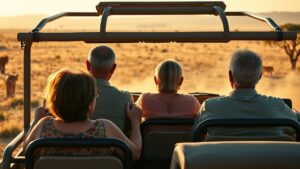
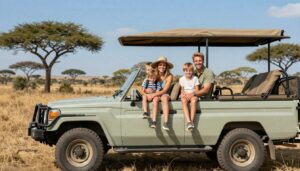
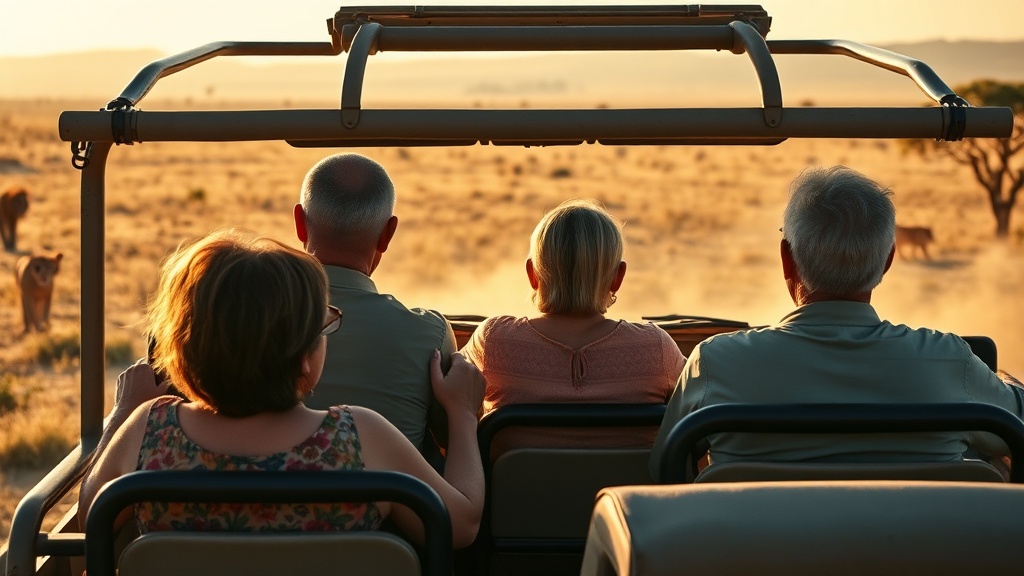
On a private safari, the vehicle is reserved for your party. You agree on the route with your guide, choose when to start and stop, and can spend longer at a sighting if the animals are behaving unusually. On a small-group safari, you share the vehicle with other travellers and follow an itinerary set by the operator. That shared structure lowers the price, but it also limits how far you can bend the day.
What the price difference buys
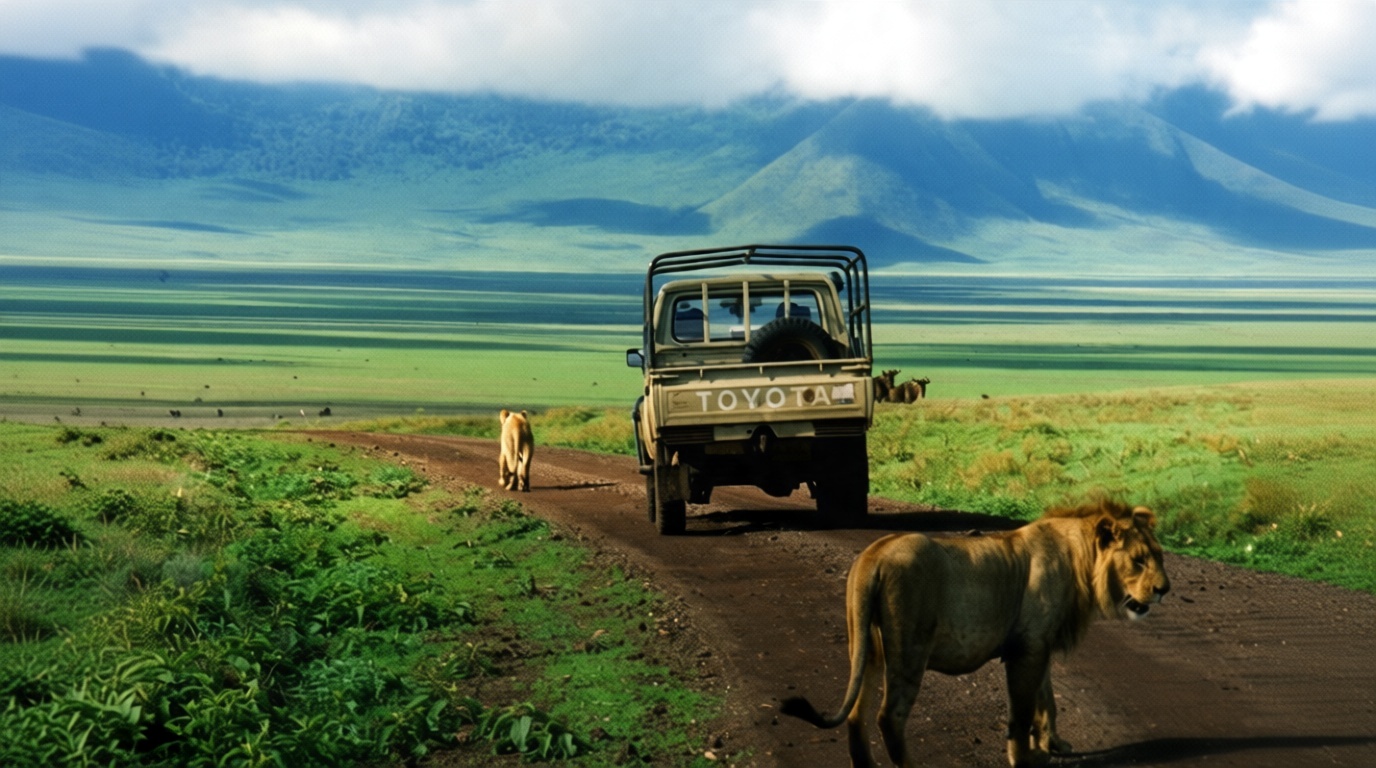
The extra cost of a private safari pays for exclusivity rather than better wildlife. The animals are wild, and a group vehicle can have exactly the same lion sighting as a private one. What you are buying is space, silence when you want it, a guide focused entirely on your party and the freedom to adjust meals, rest stops and driving times.
Why the vehicle matters more than the label
“Private” and “group” are useful shorthand, but the vehicle itself deserves attention. A well-maintained 4×4 with a skilled driver-guide is more important than a glamorous brochure. You can review the different formats on our safari tours page, then compare what each quote actually includes.
How Costs Differ Between Private and Group Safaris
Cost is often the deciding factor, but the comparison needs to be made carefully. Headline prices may assume different group sizes, seasons and accommodation levels.
Where group tours save money
A shared safari spreads the cost of the vehicle, fuel and guide across several travellers. That usually makes it the lowest-cost way to visit the major northern parks. If you are travelling solo or as a couple and are comfortable meeting new people, the savings can be genuine. The trade-off is that you cannot take the vehicle aside when you want a quiet moment or a different tempo.
Where private safaris cost more
With a private vehicle, one party covers the vehicle and guiding costs. The price per person falls as more family members or friends join, which is why a private trip can become surprisingly good value for four or five travellers. Premium camps, fly-in transfers and peak-season dates can still lift the total considerably. Treat any budget figures as broad planning ranges rather than quotes.
Comparing quotes fairly
Put the proposals side by side and check the number of nights, parks, vehicle type, accommodation category, park fees and transfers. Our guide to Tanzania safari packages explained sets out the inclusions that are often hidden behind a simple daily rate. If two quotes do not contain the same items, the cheaper number may not be the better deal.
For many couples, a private safari is a once-in-a-lifetime purchase and the flexibility is worth prioritising. For a first trip on a tighter budget, a reputable small-group departure still offers excellent guiding and a well-organised route.
Itinerary Control and Flexibility
The greatest practical difference between the two formats is who controls the day.
Fixed departures versus your own schedule
A group safari runs on a shared timetable. Breakfast, departure, lunch and the order of park stops are set so that everyone can be moved safely and efficiently. That structure suits travellers who like knowing what happens next. It can feel restrictive if you want a later start, an extra hour at a waterhole or a completely different route.
Pace, stops and photography
Private travellers can shape the day around light, animal activity and their own energy. Photographers may want to stay with a pride until the light changes; parents may need a break after a long morning drive. A private guide can accommodate both. Group guides also try to balance everyone’s interests, but they cannot pause the whole vehicle for one person indefinitely.
When plans need to change
Road conditions, weather and wildlife movements do not follow a brochure. A local operator can adjust a private itinerary quickly: swap a park, shorten a drive or move a rest day. Group itineraries are less flexible because accommodation and other passengers are already committed. This is one reason many families choose to customize their safari rather than fit into a departure.
Wildlife Viewing Pace and Guide Attention
Both styles use professional driver-guides, but the way you interact with them can feel different.
Shared sightings and waiting
At a busy sighting, several vehicles may gather. Your guide will position the vehicle as well as possible, but you cannot move at a moment’s notice if the group is ready to leave. Queues at popular viewpoints can also affect the pace. This is normal on established routes and is not unique to group travel.
Guide attention in a private vehicle
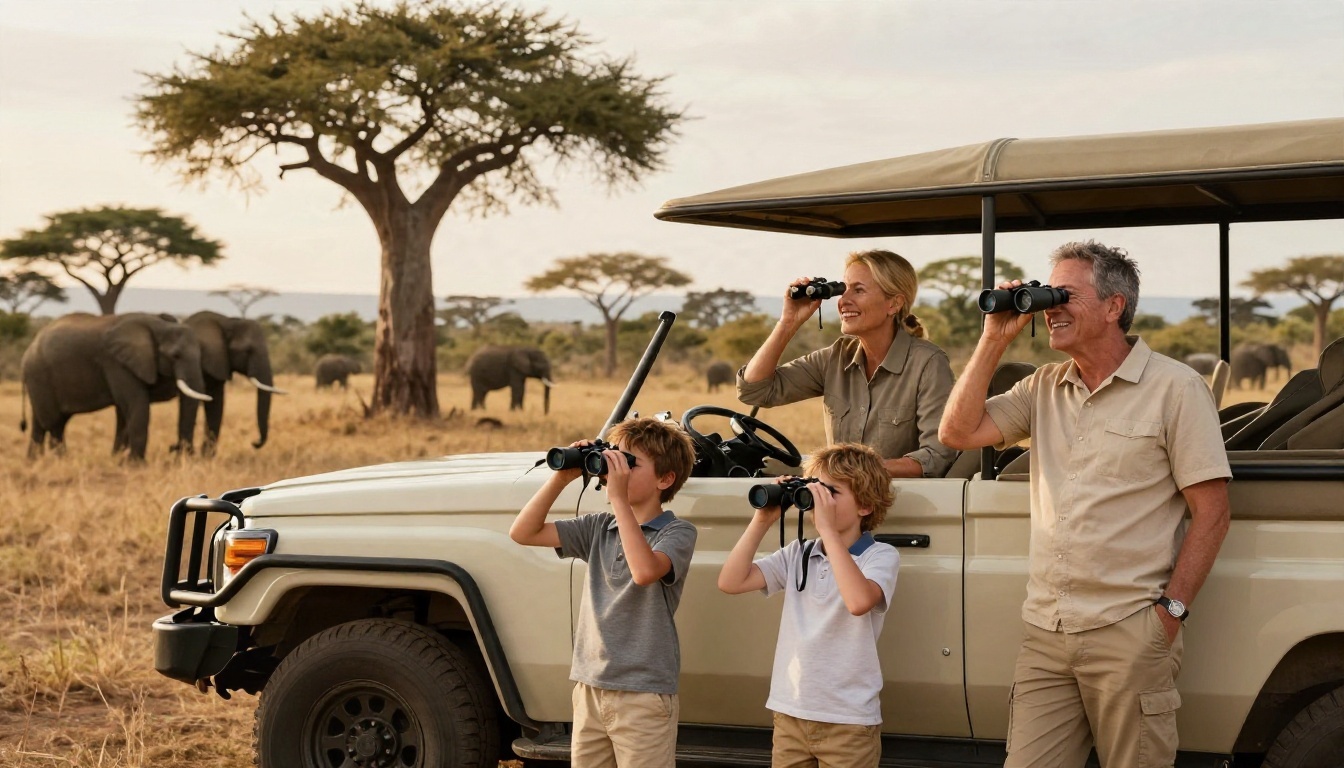
On a private safari, the guide can watch your interests closely. They may notice that one traveller loves birds, another wants explanations of tracks and the children respond best to short stories. Over several days, that personal understanding makes the safari feel much more tailored. It is a particular advantage for families with mixed ages.
Ethical viewing in both formats
Responsible wildlife viewing matters whichever option you choose. Vehicles should keep a respectful distance, avoid crowding animals and never block a predator’s path. A good guide will explain these rules rather than treat them as obstacles. Ask how your operator manages busy sightings before you book.
Which Option Suits Families?
Families often ask which format is “best” for children. There is no universal answer, but there are patterns worth understanding.
Why many families choose private
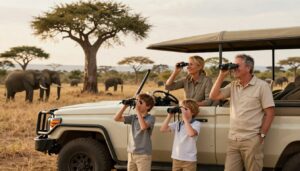
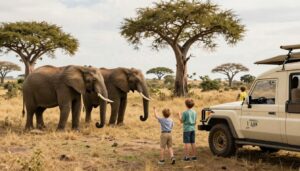
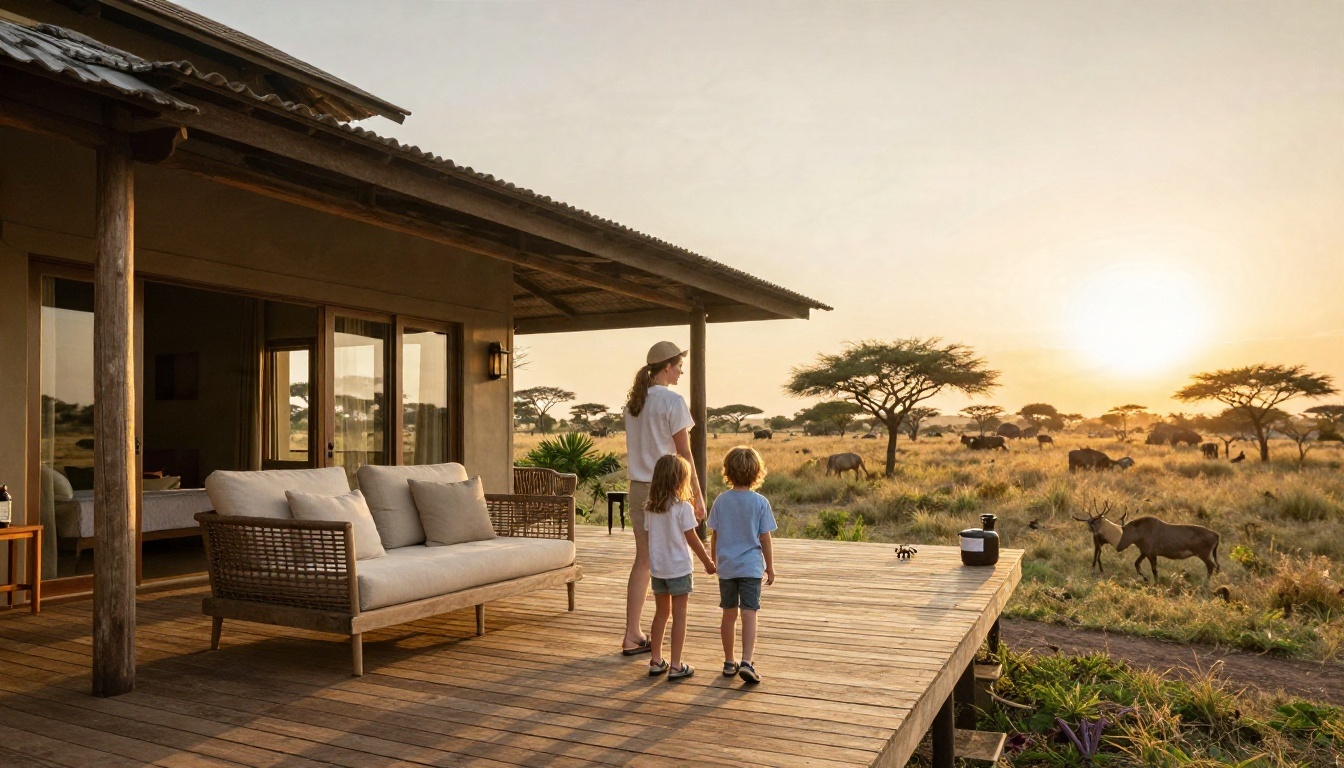
Children rarely follow a safari timetable. They may be wide awake at dawn and asleep by mid-morning, or suddenly need a toilet stop at the worst possible moment. A private vehicle allows the guide to adjust without affecting other passengers. It also makes it easier to choose lodges with family rooms, early meals and safe space between drives.
When a group safari can work for families
Older children who enjoy meeting other travellers can do well in a small group, particularly on a short, classic itinerary. Choose a departure specifically designed for families rather than an adult-oriented trip with a wide age mix. Check the minimum age, expected driving hours and whether packed lunches are provided.
Multigenerational considerations
When grandparents and grandchildren travel together, seating, short walks and frequent breaks matter. A private vehicle can be arranged with extra space and a pace that respects everyone. If stairs or long transfers are a concern, discuss them before choosing parks and lodges rather than after booking.
When a Group Safari Makes Sense
Private travel is not automatically the superior choice. Several types of traveller are genuinely better suited to a group.
Solo travellers and social atmosphere
A shared vehicle offers company at meals and around the campfire, and it can make a long journey feel more convivial. Solo travellers who enjoy conversation often find that the group becomes part of the memory. You still need to check that the operator limits group size and uses experienced guides.
Budget-focused trips
If seeing the classic parks is the priority and comfort can be simple rather than luxurious, a small-group safari stretches the budget further. Savings may allow an extra night or a better lodge category elsewhere. Be careful, though: an extremely low price may signal excluded fees or rushed driving stages.
Simple, classic itineraries
Group departures work best where the route is straightforward and the parks are well connected. A standard northern circuit follows a proven sequence, so there is less need for last-minute changes. If your wish list includes unusual combinations or specialist interests, a private trip will serve you better.
When a Private Safari Is Worth It
For some travellers, the advantages of exclusivity outweigh the additional cost.
Couples and honeymoons
A private safari feels more personal and relaxed, especially when paired with a quiet lodge or tented camp. You can share a sunrise drive without fitting around another party’s breakfast schedule. Many couples then add a Zanzibar beach stay, and our team can arrange the safari and coast as one coherent journey.
Photographers and keen naturalists
Serious photographers value time and positioning. A private vehicle lets you wait for better light, return to a promising area or ask the guide to look for a particular species. Birders likewise benefit from a guide who can stop frequently without worrying about the rest of the group.
Travellers with specific needs
Dietary requirements, mobility limits, medical considerations and young children are much easier to manage in a private vehicle. The guide and lodges can be briefed in advance, and the day can be changed when necessary. That reassurance is often worth more than a lower headline rate.
How Permutours Helps You Decide
We do not think every traveller must buy a private safari. Our job is to match the format to the trip you actually want.
Local advice from Arusha
Because we are based in Arusha, we understand the practical side of northern Tanzania: realistic drive times, seasonal road conditions and which lodges suit different ages. We can also advise when a fly-in itinerary saves enough time to justify the cost. That local knowledge helps prevent an itinerary that looks good on paper but feels exhausting in practice.
A trip designed around you
Permutours plans private safaris, small-group journeys and family-friendly safari and Zanzibar combinations. We will ask about your children, your interests, your dates and your budget before recommending a route. If a group departure is the better fit, we will say so; if privacy will transform the trip, we will explain why.
Frequently Asked Questions
1. Is a private Tanzania safari safer than a group safari?
Both can be safe when run by a reputable operator with maintained vehicles and qualified guides. Private travel offers more control over pauses and seating, but safety depends mainly on standards and driver skill.
2. How much more does a private safari usually cost?
It depends on party size, season, parks and accommodation. A private vehicle costs more overall, but the per-person difference narrows as more people travel together. Ask for a line-by-line comparison rather than relying on a general estimate.
3. Can children join a small-group safari?
Some departures welcome children, but minimum ages and driving hours vary. Look for a family-focused group, and ask about meal times, toilet stops and whether the guide is experienced with young travellers.
4. Will a private vehicle guarantee better wildlife sightings?
No. Wildlife is wild, and animals do not respond to vehicle type. A private vehicle gives you more time and flexibility at each sighting, but it cannot guarantee particular species or behaviour.
5. Can I combine a safari with Zanzibar either way?
Yes. Both private and small-group safaris can finish with a Zanzibar beach stay. Check whether domestic flights, transfers and hotel meals are included, and leave enough time to recover from early game drives before a busy travel day.