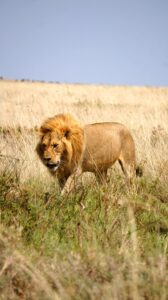
The Appeal of the Ngorongoro Crater Beyond the Crowds
When most travelers envision an East African safari, their minds immediately drift to the dramatic river crossings of the Great Migration. They picture thousands of wildebeest braving crocodile-infested waters or endless columns of dust moving across the Serengeti plains. Yet, there is another side to Tanzania safari travel that offers an equally profound connection to the wild. This alternative experience lies within the massive, unbroken caldera of the Ngorongoro Crater during the times of year when the migratory herds are elsewhere. The region enters what seasoned travelers call the silent season, a time when the massive herds have moved elsewhere, leaving the resident wildlife of the crater to be enjoyed in peaceful solitude.
Planning a safari during these less publicized months allows you to experience one of the natural wonders of the world in an entirely different light. Instead of navigating rows of safari vehicles vying for the same view of a sleeping lion, you can watch the drama of the wild unfold against a backdrop of dramatic skies and lush green plains. This guide will show you how to plan a rewarding journey to the Ngorongoro Crater during these quieter periods, highlighting the unique behaviors of resident wildlife, the benefits of traveling off-peak, and practical tips to maximize your adventure.
Understanding the Seasonal Cycles of the Crater
To plan an effective safari beyond the migration, it is important to understand the seasonal dynamics of the Ngorongoro Conservation Area. Unlike the Serengeti, which experiences massive shifts in its animal population as herds search for water and fresh grass, the Ngorongoro Crater boasts a highly stable, resident population of wildlife. The crater floor has permanent water sources, meaning that tens of thousands of animals live there year-round. Exploring during this silent phase of the year offers a stark contrast to the busy dry months, providing a fresh perspective on the local ecosystem.
The Lush Transformation of the Short Rains
In November and December, the short rains arrive in northern Tanzania. This period brings brief, refreshing afternoon showers that clear the haze from the air, offering crisp, long-distance views across the crater floor. The dry, golden landscape undergoes a rapid transformation, turning a vibrant shade of green almost overnight. For travelers, this is a time of renewal. Wildflowers start to bloom, and many herbivore species give birth to their young, attracting the attention of the crater resident predators.
The Dramatic Landscapes of the Long Rains
From March through May, the region experiences the long rains. While some travelers avoid this period out of fear of muddy roads, it is actually one of the most beautiful times to visit the crater. The rains are often predictable, occurring mostly in the late afternoon or overnight. During the day, the skies are filled with dramatic cloud formations that create incredible lighting for photography. The crater floor becomes an emerald paradise, and the central soda lake, Lake Magadi, fills with fresh water, attracting diverse bird species.
The Practical Benefits of Off-Peak Travel
Choosing to visit the Ngorongoro Crater during the shoulder or green seasons offers several distinct advantages that are often missing during the peak dry season. By adjusting your travel dates away from the peak migration rush, you can unlock a much more relaxed and intimate safari experience.
Unmatched Crowd Solitude and Freedom
During the peak season of July through October, the narrow roads descending into the crater can become congested with vehicles. In contrast, traveling during the quieter months ensures you will share wildlife sightings with only a handful of other vehicles, if any. You can sit by a pride of lions or watch a black rhino graze in the silent beauty of a mist-shrouded morning without feeling rushed to move along for other tourists. This slower pace allows for deeper observation of animal behavior and a much stronger appreciation for the sheer scale of the caldera.
Incredible Photographic Opportunities
For photographers, the dry season can often be frustrating due to the midday glare, dust in the air, and washed-out landscapes. The wet and shoulder seasons resolve all of these issues. The rain washes the dust from the atmosphere, resulting in exceptionally clear, sharp air that makes distant crater walls stand out beautifully. The contrast between the deep green grass, dark storm clouds, and bursts of golden sunlight creates a dramatic, cinematic atmosphere that is impossible to capture during the dry, dusty months.
Value and Better Lodge Availability
Because most tourists flock to the region during the dry season, many of the luxury lodges situated on the crater rim or in nearby Karatu offer significantly reduced rates during the shoulder and green seasons. You can stay in world-class accommodations that might otherwise be fully booked or priced out of reach during the high season. Furthermore, the guides and lodge staff are less rushed, allowing them to provide a more personalized, attentive level of service during your stay.
Wildlife Dynamics on the Crater Floor
Because the Ngorongoro Crater is a self-contained ecosystem, its resident wildlife remains abundant and active throughout the entire year. The crater is home to approximately 25,000 large mammals, including all members of the classic Big Five: lion, leopard, elephant, buffalo, and the critically endangered black rhino.
The Constant Presence of the Big Five
While the wildebeest and zebras of the Great Migration move across the border into Kenya or throughout the Serengeti, the resident herbivores of the crater do not leave. Large prides of lions, families of spotted hyenas, and solitary golden jackals roam the plains daily. Old bull elephants, famous for their massive tusks, feed in the swampy forests of the crater floor, while herds of cape buffalo graze along the ridges. Perhaps most importantly, the crater remains one of the best places in East Africa to spot the elusive black rhino, which can often be seen grazing in the open plains near the Lerai Forest.
An Avian Paradise on Lake Magadi
For bird enthusiasts, the wet and shoulder seasons are by far the best times to visit the Ngorongoro Crater. Migratory birds from Europe and northern Africa arrive in large numbers between November and April, joining the resident species. The filling of Lake Magadi turns the water body into a feeding ground for thousands of lesser and greater flamingos, turning the shallows a striking shade of pink. You can also spot specialized water birds, birds of prey, and colorful insect-eaters nesting in the lush vegetation.
Predator-Prey Interactions in High Definition
The abundance of newborn gazelles, wildebeest, and zebras during the green season means that predators are highly active. Lions and spotted hyenas must work harder to hunt in the taller grass, leading to fascinating strategic behaviors. You might witness a lioness using the green cover to stalk her prey or watch a group of jackals attempt to outmaneuver a mother zebra protecting her young foal. These raw, dramatic moments of survival are common occurrences during these energetic months.
Strategic Planning for Your Adventure
To get the most out of your off-season safari, a few practical adjustments to your itinerary and gear list can make a world of difference. Proper preparation ensures that you remain comfortable and mobile, regardless of the weather conditions.
Pack the Right Clothing Layers
Because the Ngorongoro Crater rim sits at a high altitude of over 7,500 feet (2,300 meters), it can get surprisingly cold, especially in the early mornings and late evenings. The moist air of the wet season adds a damp chill to the environment. Pack warm layers, including a fleece jacket, a windproof and waterproof outer shell, and long pants. While the crater floor can warm up significantly by midday, you will start your morning game drives in chilly conditions, so being able to adjust your layers is essential.
Choose an Experienced Guide and a Sturdy Vehicle
The tracks descending into the crater floor and the dirt roads within it can become slippery and muddy during the rainy periods. It is highly recommended to travel with an experienced safari company that utilizes well-maintained, four-wheel-drive vehicles with high clearance and good off-road tires. A skilled, local guide who knows how to navigate muddy patches safely and understands the wet-season movements of the resident wildlife will ensure that your safari runs smoothly and safely.
Incorporate Neighboring Parks
While the Ngorongoro Crater is a highlight of any northern Tanzania itinerary, you can easily combine your visit with other nearby conservation areas that also shine during the off-season. Lake Manyara National Park, famous for its tree-climbing lions and lush groundwater forest, is stunningly beautiful when the vegetation is green and wet. Tarangire National Park, while quieter during the wet season, still offers excellent birdwatching and beautiful baobab-dominated landscapes that look spectacular under dramatic skies.
Embracing the Quieter Side of East Africa
Planning a safari to the Ngorongoro Crater beyond the peak of the Great Migration offers a rare opportunity to connect with nature on a deeper, more personal level. In these silent, slow-paced moments, the crater reveals its true soul, showing that the magic of the wild is not defined by the size of the crowds, but by the quiet moments of wonder that unfold when we take the time to look closely. By choosing to travel during these lesser-known seasons, you will experience Tanzania at its most authentic, dramatic, and beautiful, creating memories that will last a lifetime.