Behind the Caldera: Ngorongoro Wildlife Migration
The Ngorongoro Crater in Tanzania is often described as a natural wonder, a massive volcanic caldera that acts as a natural enclosure for thousands of wild animals. Spanning over one hundred square miles, this breathtaking landscape holds a dense population of predators and prey. Behind the towering walls of the Ngorongoro Crater lies one of the most dynamic, yet least understood, micro-migration patterns in the natural world. Many visitors assume that the animals here live in a static, unchanging paradise, but the reality is a complex dance of seasonal movement.
While the Serengeti Great Migration captures global headlines, the subtle shifts occurring inside the caldera are equally fascinating. These patterns are driven by water availability, grazing pressure, and reproductive cycles. By exploring how these species navigate their unique home, we can better appreciate the intricate balance of this African ecosystem.
The Geography of an Enclosed Eden
To understand how wildlife moves within the caldera, we must first look at its unique geological structure. The crater was formed millions of years ago when a massive volcano exploded and collapsed on itself. Today, the resulting caldera floor sits about two thousand feet below the rim, creating a highly specialized environment that acts as a natural refuge.
The floor of the crater is a mosaic of different habitats. In the center lies Lake Magadi, a shallow soda lake that attracts flocks of flamingos and other water birds. Surrounding the lake are vast open grasslands, the swampy marshes of Gorigor, and the cool, shaded canopy of the Lerai Forest. This diverse range of habitats provides food and shelter for different species throughout the year.
Because water is almost always available in some form, the crater can support an incredibly high density of wildlife. However, the distribution of this water changes with the seasons, driving the constant shifting of animal populations across the caldera floor. Understanding these shifts is key to understanding the survival of the species that call the crater home.
Seasonal Shifts and Water Availability
The climate of the Ngorongoro region is defined by two distinct seasons: the dry season and the wet season. These seasons dictate where food is abundant and where animals must go to survive.
Dry Season Patterns
During the dry season, which typically runs from June to October, the open grasslands dry up and turn a golden brown. The smaller waterholes evaporate, forcing herbivore herds to concentrate around permanent water sources. The Gorigor Swamp and the spring-fed marshes become the primary lifelines for the crater residents.
Thousands of wildebeest, zebras, and gazelles crowd these swamp margins, grazing on the resilient green grasses. Predators, including the crater famous lion prides and spotted hyenas, follow closely behind, establishing temporary hunting grounds near these crucial water points. This creates intense wildlife viewing opportunities as predator and prey are locked in close proximity.
Wet Season Expansion
When the rains arrive in November, the entire landscape transforms. The dry plains turn into lush green pastures, and temporary rainwater pools form across the caldera floor. This abundance allows the herds to disperse, moving away from the crowded marshes.
With water and fresh grass available everywhere, the high concentration of animals around the swamps breaks up. Wildebeest and zebras spread out across the southern and eastern plains, enjoying the nutrient-rich new growth. This seasonal expansion reduces grazing pressure on the swamps and allows the vegetation there to recover for the next dry cycle.
The Myth of the Closed Kingdom
For decades, safari brochures have painted the Ngorongoro Crater as a closed kingdom where animals are trapped by the high caldera walls. This is a common misconception that overlooks the true nature of the ecosystem.
Behind the popular tourist narrative of a self-contained Eden lies a more complex story of connection to the outside world. While many animals do spend their entire lives within the crater, a significant number of individuals regularly scale the steep slopes. The crater walls are not impassable barriers, but rather challenging pathways that connect to the wider Serengeti ecosystem.
During periods of severe drought or extreme seasonal changes, herds of wildebeest and zebras have been documented climbing out of the crater. They move toward the southern Serengeti plains or the highland forests in search of better grazing. Similarly, bull elephants and elands frequently move up and down the crater walls to access different feeding grounds and social groups.
Key Species and Their Year-Round Routes
The migration patterns within the crater vary greatly depending on the species. Each group of animals has developed its own strategy to maximize resources throughout the year.
The Wildebeest and Zebra Drift
Wildebeest and zebras make up the majority of the crater herbivore population. Their movements are highly synchronized with the rainfall patterns. During the wet months, they favor the short-grass plains of the crater floor where they can easily spot predators.
As the dry season approaches, they begin a slow drift toward the eastern and southern marshes. This is not a rapid, long-distance trek like the famous Great Migration in the Serengeti, but a gradual, localized shift of a few miles. It ensures they always have access to both water and digestible forage without leaving the relative safety of the crater floor.
The Elephant Treks
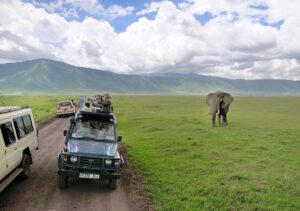
The behavior of elephants in the crater is particularly fascinating. Most of the elephants found on the crater floor are large bull elephants, as breeding herds prefer the safety of the highland forests on the rim.
These solitary bulls and bachelor groups move between the Lerai Forest and the swamps. Behind these daily movements are critical survival strategies, as they seek out the bark of fever trees in the forest and the soft grasses of the swamps. During the wet season, many of these bulls climb the steep caldera walls to join the breeding herds in the thicker forests above, ensuring genetic exchange between populations.
Predator Responses to Herbivore Movements
The carnivores of the Ngorongoro Crater, especially the lions and spotted hyenas, must adapt to the shifting patterns of their prey. Because their prey does not travel hundreds of miles away, the predators do not need to migrate. Instead, they shift their territorial boundaries and hunting strategies.
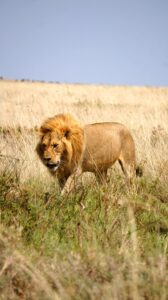
Lions tend to hold stable territories near the permanent water sources. During the wet season, when the herds disperse, the lions may face tougher hunting conditions and must travel further within their territories. Hyenas, which are highly adaptable, often patrol the transition zones between the plains and the swamps, capitalizing on the seasonal shifts of the herds.
Conservation and the Future of the Caldera Corridor
The survival of the Ngorongoro Crater wildlife relies heavily on the preservation of these movement patterns. Even though many movements occur within the caldera, the connection to the surrounding regions is vital for genetic diversity and long-term ecosystem health.
Behind the scenes, conservationists work tirelessly to preserve the migratory corridors that connect the crater to the Serengeti and Lake Manyara. Human encroachment, agricultural expansion, and growing tourism infrastructure pose significant challenges to these pathways. Protecting the routes that animals use to climb out of the crater ensures that the caldera does not become an isolated island of biodiversity.
By maintaining these connections, we allow the natural processes of migration and dispersal to continue. This keeps the ecosystem resilient and capable of withstanding environmental changes and disease outbreaks for generations to come.
Conclusion
The Ngorongoro Crater is far more than a beautiful backdrop for safari photographs. It is a living, breathing landscape defined by constant movement and change. From the seasonal shifts of the wildebeest herds to the high-climbing treks of the bull elephants, the year-round migration patterns reveal a highly dynamic environment. Understanding these movements helps us appreciate the intricate balance of life inside the caldera and highlights the critical need to protect this natural wonder.