Budgeting for a Tanzania safari can feel confusing. One operator advertises a low daily rate, another includes everything except flights, and a third asks you to pay conservation fees on arrival. Without knowing how the pieces fit together, it is hard to tell whether a quote is generous or simply incomplete.
This guide explains the main cost layers for 2027 in plain language. Permutours is an Arusha-based local safari specialist, and we plan family-friendly safaris and Zanzibar extensions with transparent budgets. We would rather show you where the money goes than hide it behind a single attractive number.
Tanzania Safari Cost 2027 at a Glance
There is no single price for a Tanzania safari. The same seven days can vary widely depending on where you sleep and how you travel between parks.
Think in layers, not one price
A useful way to read a budget is to separate it into four layers: the ground arrangement, park and conservation fees, accommodation, and the extras before and after the safari. The ground arrangement covers the vehicle, guide and fuel; the fees pay for access to protected areas; accommodation sets much of the comfort level; and extras include flights, insurance, visas, tips and personal spending.
Use broad planning bands
Rather than inventing a precise figure for every itinerary, it is safer to think in bands. Simple shared or road-based safaris sit at the lower end, comfortable private road safaris in the middle, and premium fly-in safaris at the top. Peak seasons and sought-after camps push a trip upward; quieter months and simpler rooms pull it down.
Why local advice saves money
A local team can tell you when an extra park is worth the fee and when it merely adds driving. We can also suggest a change of lodge region that preserves the wildlife experience without paying for a premium location at the wrong time of year.
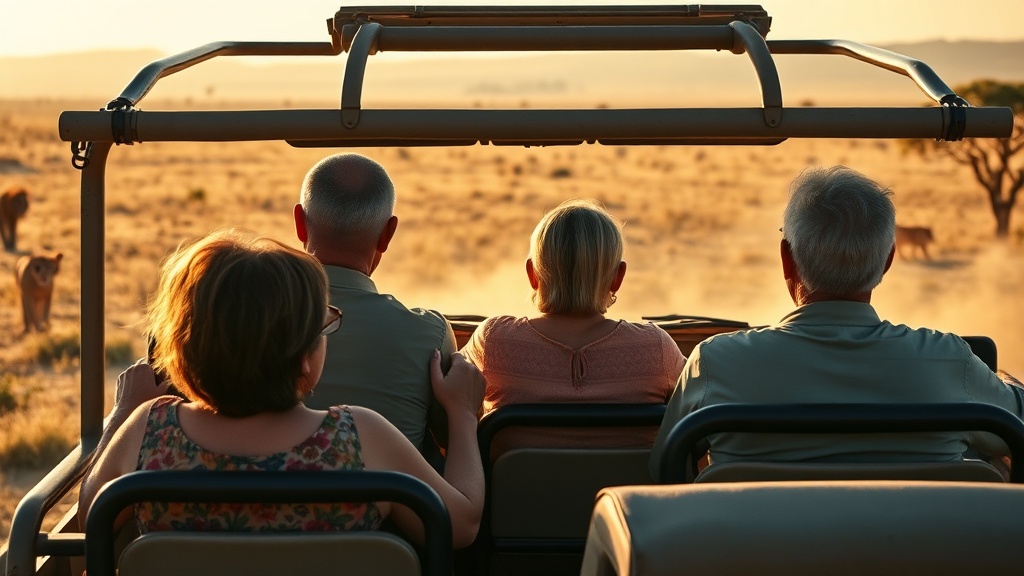
Daily Rates by Safari Style
Daily rates are a helpful starting point, provided you know what they include.
Shared and simple road safaris
Shared-vehicle itineraries are generally the most affordable way to see the classic northern parks. Costs are spread across several travellers, and accommodation tends to be comfortable rather than luxurious. These trips still need professional guides and proper 4×4 vehicles; saving money should never mean sacrificing maintenance or safety.
Private road safaris
A private road safari gives your party the vehicle and guide. The daily rate is higher, but it can make sense for families and small groups once everything is included. Savings usually come from choosing established lodges, limiting long transfers and travelling outside the busiest weeks.
Fly-in and premium safaris
Fly-in itineraries replace long drives with light aircraft and often use high-end camps in remote locations. They are the most expensive format because you pay for aircraft, premium accommodation and a high level of service. They can be excellent for short trips where time is more valuable than money.
How party size changes the maths
A private vehicle for two people costs more per person than the same vehicle for four or five. Families should compare the total for the party, not only the per-person headline. Our overview of safari tour costs in Tanzania gives more context on how group size and inclusions interact.
Park Fees and Conservation Charges
Park access is one of the least flexible parts of a safari budget, because it is set by the protected areas rather than the operator.
What the fees support
National park and conservation fees help fund anti-poaching work, habitat management, research and park infrastructure. Ngorongoro has its own conservation structure, while Serengeti, Tarangire, Lake Manyara and other parks have separate entry systems. A responsible operator explains this rather than treating the fee as a nuisance.
Why the total changes by itinerary
Each park charges its own rate, and some entry structures vary by season. A trip that enters three parks naturally carries more fees than one that spends more nights in a single area. Conservation charges at Ngorongoro can also affect the total. Always ask which fees are included and which are payable directly.
How to read a quote
A clear proposal lists the parks and shows fees as included or excluded. If a quote simply says “park fees payable on arrival”, add that estimate into your comparison before deciding. Our guide to Tanzania safari packages explained shows the other inclusions that are frequently blurred.

Accommodation and Meals
After fees and transport, accommodation is usually the largest variable in a safari budget.
Lodges versus tented camps
Established lodges generally offer solid walls, generous dining areas and a predictable level of comfort. Tented camps can feel closer to the landscape while still providing proper beds and private facilities. Premium camps in remote locations cost more because of their setting and service level.
What meals are normally covered
Most safari accommodation includes breakfast and dinner, with packed lunches on full-day drives. Better properties prepare early breakfasts for first-light departures, which matters for families. Check whether drinking water, soft drinks and laundry are included, as these small extras can add up.
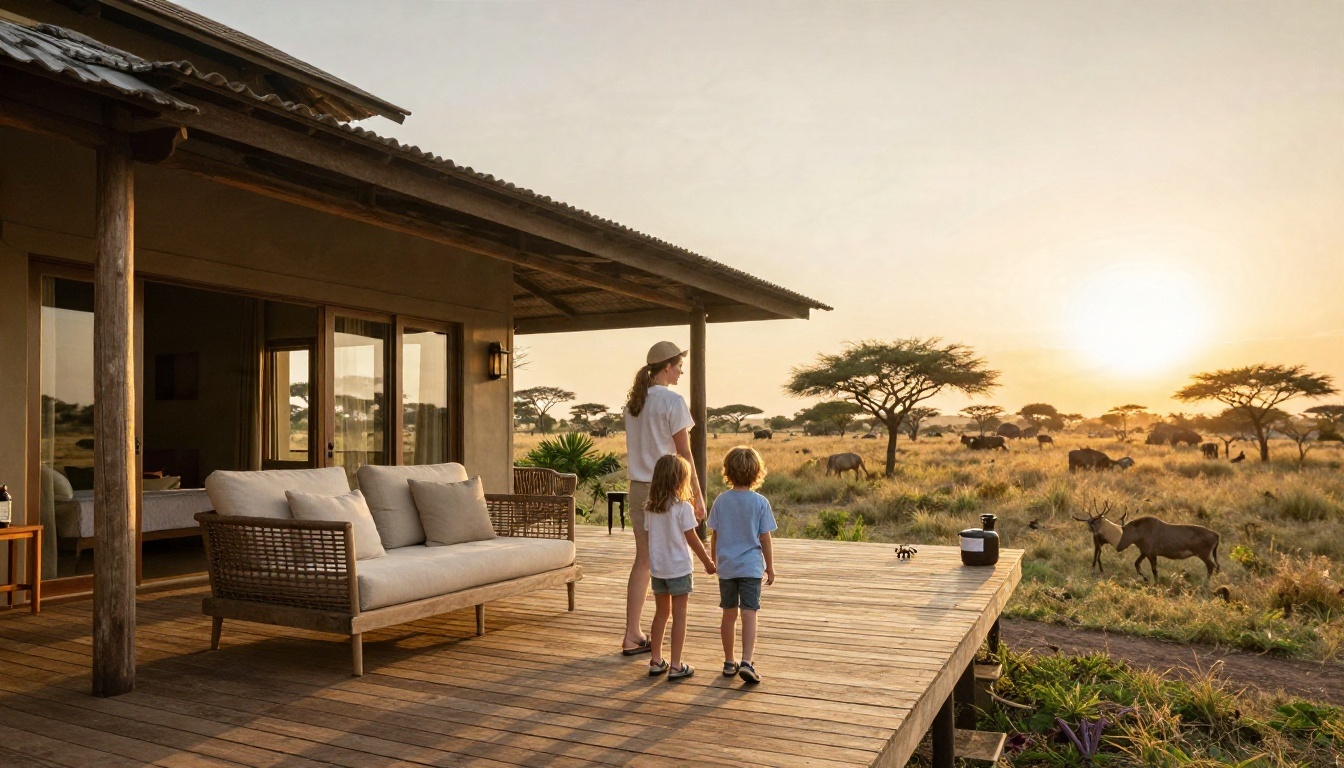
Family rooms and seasonal rates
Interconnecting rooms, family tents and triple configurations can affect the price and should be requested early. Peak wildlife seasons and school holidays also tighten availability. If your dates are fixed, booking ahead usually gives a better choice of room type and location.
Transfers and Domestic Flights
Travel between parks is a real cost, both in money and time.
The cost of long road days
Road transfers keep costs down, but they consume daylight and energy. A long drive between parks may require an overnight stop and reduce the time available for game viewing. Families often prefer a route with shorter stages even if the total is slightly higher.
When flying is worth it
Domestic flights save many hours and can make a remote camp practical on a shorter itinerary. They add to the headline price, and schedules need careful coordination with game drives and airport connections. Ask whether the quote includes airstrip transfers and what happens if a flight is delayed.
Seasonal Pricing in 2027
Tanzania’s travel seasons influence both availability and cost.
Peak wildlife and holiday periods
Dry-season game viewing, the Great Migration and festive school holidays tend to be the busiest and most expensive periods. Camps in the best wildlife locations fill first, and private vehicles may be limited. If those dates are essential, plan well ahead.
Green-season value
The green season can offer lower accommodation rates and fewer crowds, with dramatic landscapes and excellent birding. Rain can affect roads and driving conditions, so route choice matters. A local operator can suggest parks that remain practical and rewarding.
Shoulder-season balance
Shoulder months often provide a useful compromise between price, wildlife and weather. They may not offer the exact conditions of a peak month, but they can deliver memorable sightings with more space. Flexibility on dates is one of the simplest ways to improve value.
Sample Seven-Day Budget Shapes
These examples describe the shape of a trip rather than fixed prices. They help you see which choices move the total.
Comfortable road itinerary
A seven-day road safari using established lodges and a private vehicle usually offers the clearest middle-ground value. You cover a small number of northern parks, include the main fees and avoid domestic flights. The result is relaxed enough for most first-time visitors while keeping costs controlled.
Private family itinerary
For families, the budget may shift toward shorter driving stages, family rooms, packed lunches and a guide experienced with children. You might spend fewer nights in remote camps to keep logistics simple. The safari may cost more than a shared trip, but the day-to-day experience is far easier.
Premium fly-in itinerary
A premium seven-day itinerary uses light aircraft and high-end camps, often in Serengeti and Ngorongoro or remote northern areas. The largest additions are flights and accommodation. This format suits travellers with limited time who want comfort and a high level of service.
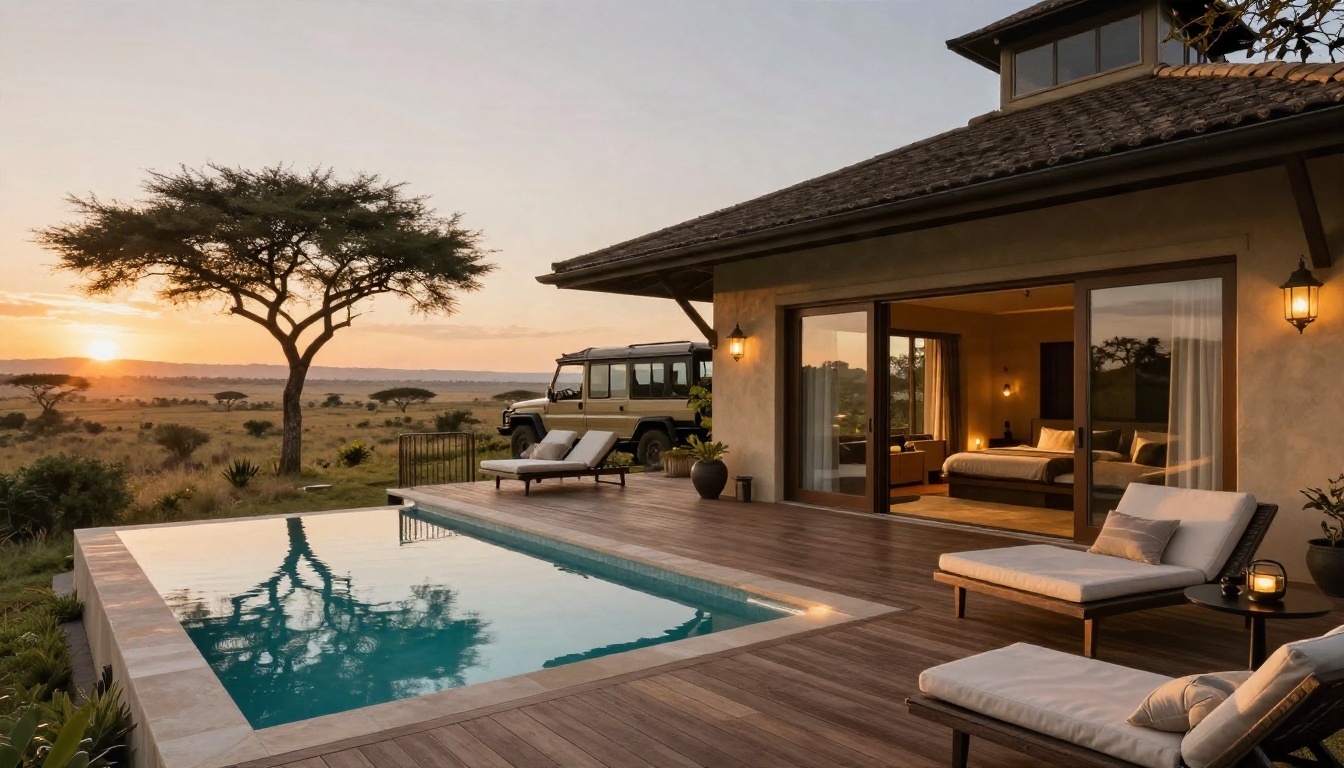
Ways to Save Without Cutting Safety
A sensible budget protects the parts that affect safety and guiding quality.
Adjust the park list
Fewer parks can mean fewer entry fees and shorter transfers. Spending more time in one excellent region often produces a richer experience than rushing between three. Ask your operator which parks genuinely add value to your dates and interests.
Keep the guide and vehicle standard
Saving on accommodation or optional activities is usually safer than saving on a qualified guide, a maintained 4×4 or adequate insurance. These fundamentals shape both the quality and safety of the trip. Read our advice on safari planning mistakes before trimming too deeply.
Book thoughtfully
Compare quotes with identical dates and inclusions, ask about payment terms, and confirm cancellation conditions in writing. Consider a Zanzibar extension only after the safari budget is clear, then decide whether beach meals and transfers are included. Good planning prevents small extras from becoming a large surprise.
Frequently Asked Questions
1. What is the biggest hidden cost in a Tanzania safari?
Park and conservation fees are common surprises, followed by domestic flights, airstrip transfers and tips. Ask for a written list of included and excluded items before comparing quotes.
2. Is a cheaper safari likely to be poor quality?
Not necessarily. A simple road safari can be excellent. A very low price is a warning sign only when maintenance, guide qualifications, fees or transfers are unclear.
3. Does the number of days change the daily rate?
It can. Longer itineraries sometimes spread fixed logistics across more days, while short fly-in trips can carry higher daily costs. Always compare the whole itinerary rather than one number.
4. How can families control a safari budget?
Choose a private vehicle if flexibility matters, but keep the park list compact and select comfortable lodges rather than remote premium camps. Ask early about family rooms and meal timing.
5. Should I budget separately for Zanzibar?
Yes. Beach hotels, domestic flights, transfers and excursions are usually separate from the safari price. A local operator can quote the safari and Zanzibar portion together so nothing is missed.