If you have started researching a Tanzania safari, you have probably noticed something frustrating: two quotes can look similar on the surface yet differ by thousands of dollars. One company advertises an “all-inclusive” price, another lists a lower daily rate, and a third asks you to pay park fees separately.
The only reliable way to judge value is to understand what a package actually contains. At Permutours, we are an Arusha-based local safari company, and we would rather explain the details than hide them in a single headline price. This guide breaks down the inclusions, the exclusions, the price bands and the questions you should ask before paying a deposit.
What Is a Tanzania Safari Package?
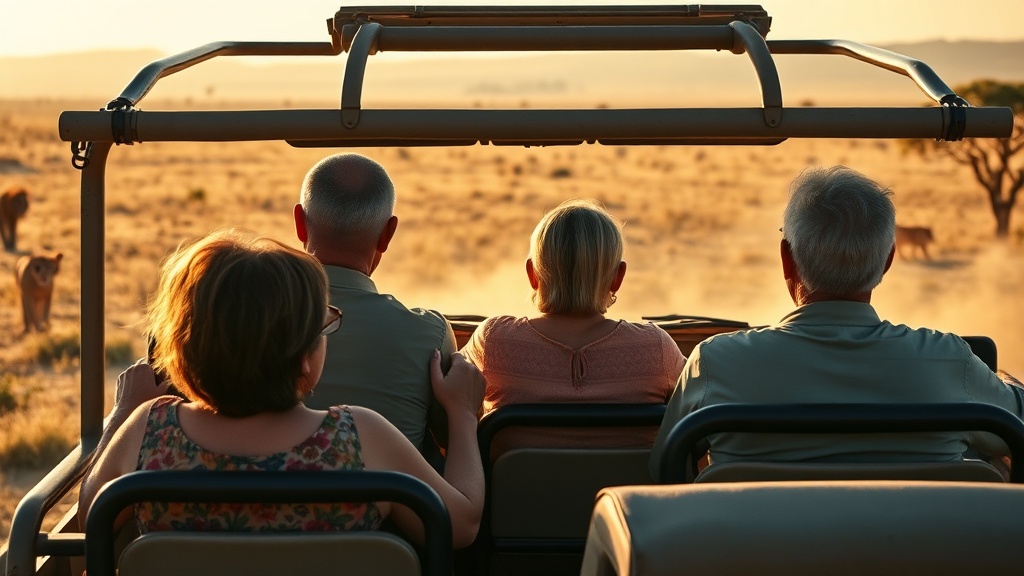
A safari package is a single price that covers the main components of your trip on the ground. Instead of booking lodges, vehicles, guides and park entry one by one, you buy them as one arranged journey. A good package should read like a clear itinerary, not a mystery number.
The parts that make up a package
Most Tanzania safari packages combine five building blocks:
- Accommodation: nights in lodges, tented camps or a mix of both, usually with meals.
- Transport: a 4×4 safari vehicle, a driver-guide, fuel and airport or airstrip transfers.
- Park access: national park entry fees and, where relevant, Ngorongoro conservation fees.
- Activities: scheduled game drives, sometimes a walking safari, community visit or hot-air balloon option.
- Planning support: itinerary design, bookings, permits and help while you travel.
When a quote leaves one of these out, the headline price stops being comparable. That is why we always show the structure of a package before discussing cost.
What’s Usually Included in Tanzania Safari Packages
Inclusions vary by operator, but a professionally arranged private safari in Tanzania normally covers the following.
Accommodation and meals
You can expect a room or tent with private facilities, usually including breakfast and dinner. On full-day drives, most operators provide a packed lunch or arrange lunch at a lodge. drinking water on the vehicle is common, though the amount varies. Better lodges offer early breakfasts or take-away baskets so you can be out at first light without skipping a meal.
Vehicle, guide and fuel
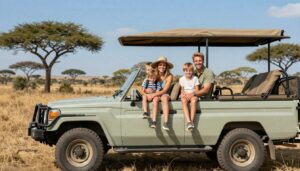
A private package should include a purpose-built 4×4 vehicle, a professional driver-guide and all fuel for the itinerary. The guide is not just a driver: they read tracks, explain animal behaviour, decide where to position the vehicle and manage the day’s timing. In our Tanzania Safaris, the vehicle is reserved for your party, so the pace belongs to your family rather than a group schedule.
Park and conservation fees
Entry fees are a significant part of a safari budget. Serengeti, Tarangire, Lake Manyara and Ngorongoro each charge different rates, and some change by season. A transparent package lists these as included or shows them as a separate line. If a quote is vague about fees, ask for the exact parks and the current rates before you compare it with anything else. Our guide to safari planning mistakes explains where unclear pricing usually leads.
Transfers and logistics
Airport pick-up and drop-off, airstrip transfers on fly-in safaris and the coordination between lodges are normally included. On a well-designed route, these details are what make a long journey feel calm. If your package says “transfers on request”, treat that as an extra until it is written into the itinerary.
What’s Usually Not Included
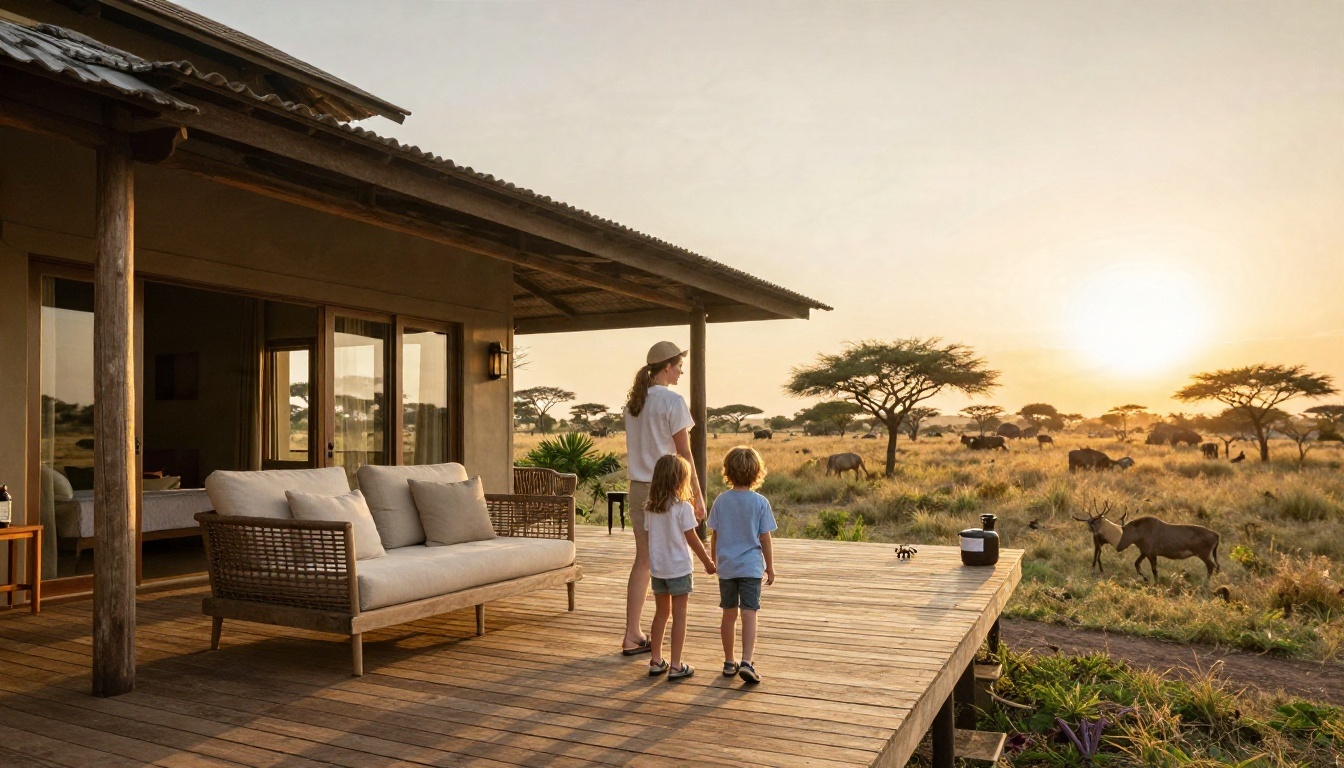
This is the list that catches travellers out. The items below are normally excluded from a Tanzania safari package, even when an advert uses the phrase “all inclusive”.
- International and domestic flights: usually booked separately, except on fly-in itineraries where domestic legs may be added.
- Travel insurance: strongly recommended and almost always your own responsibility.
- Visa and entry costs: tourist visas, passport fees and any health certificates.
- Gratuities: tips for guides, drivers and lodge staff are customary but rarely pre-paid.
- Personal spending: souvenirs, laundry, spa treatments, premium drinks and phone charges.
- Optional activities: balloon safaris, walking safaris, cultural visits and snorkelling excursions.
None of this makes a package bad value. It simply means you should budget for the whole trip, not only the advertised safari price. A first-timer’s guide to planning a first Tanzania safari is a useful companion if you are building a total budget from scratch.
How Much Do Tanzania Safari Packages Cost?
Prices depend on season, park mix, accommodation level and group size. The figures below are broad planning ranges, not quotes. They are meant to help you understand what kind of product sits behind a number.
Budget and mid-range packages
Simple, well-run safaris using comfortable lodges or established tented camps are usually the most accessible option. They still include a 4×4 vehicle, a guide and park fees. Savings generally come from simpler accommodation, longer overland transfers and shared vehicles. For families, we usually advise protecting the private vehicle even if you trim the lodge category.
Luxury and premium packages
High-end packages add superior camps, exceptional food and wine, private guides, domestic flights and more personalised scheduling. The jump in price buys consistency and ease rather than more animals — wildlife does not read your lodge rating. If you want to understand where the extra money goes, compare a standard quote with a private Tanzania safari built around the same parks.
Why two quotes differ so much
One operator may quote per person assuming four travellers share a vehicle; another may quote a private vehicle for two. One includes Ngorongoro fees, another does not. One uses a fly-in camp with a domestic flight, another uses a road transfer of six hours. Until those details match, a cheaper quote is not necessarily better value. We explain more about the drivers of price in our breakdown of safari tour costs in Tanzania.

Main Types of Tanzania Safari Packages
Once you understand the components, the package labels become easier to read.
Private safari packages
A private package reserves the vehicle and guide for your party. You set the start time, decide when to stop and can adjust a day when the children are tired or a sighting is worth lingering over. It costs more per person than a shared vehicle, but it is the format most families and photographers prefer.
Small-group safari packages
Group tours lower the cost by sharing the vehicle. They work well for solo travellers and people who enjoy company, but the itinerary is fixed. If you want a late breakfast or an extra hour at a waterhole, you may not be able to take it.
Family safari packages
A genuine family package is more than a child-sized discount. It includes suitable rooms, flexible meal times, shorter first drives and guides who know how to explain tracks and behaviour to young travellers. Ask for the daily driving times before you book — that single detail decides whether the trip feels magical or exhausting.
Luxury and fly-in packages
These replace long road transfers with light aircraft and place you in premium camps. They suit shorter trips and travellers who value comfort highly. If you are weighing this against a road safari, our guide to where to go on safari explains how distances shape the route.
Safari and Zanzibar combinations
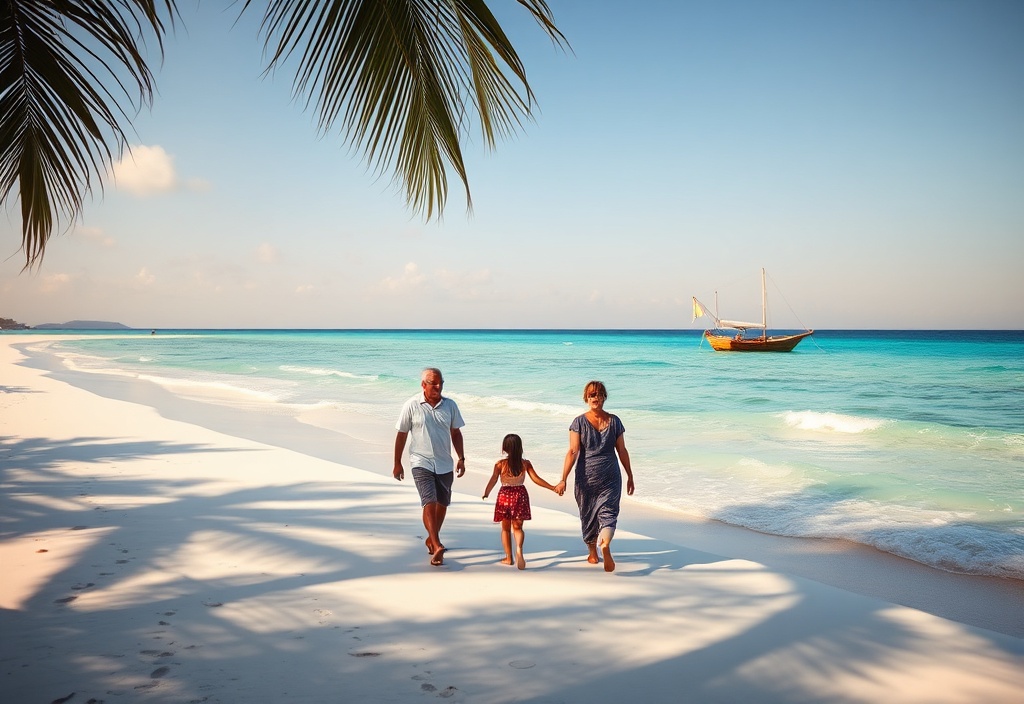
Many packages finish on the coast. The safari portion covers the parks, while the Zanzibar portion adds beach days, Stone Town and optional excursions. Check whether domestic flights, ferry or airstrip transfers and beach-hotel meals are included in the same price. Our comparison of a safari holiday versus a beach holiday looks at how families split their time.
How to Compare Two Safari Quotes Fairly
Put the proposals side by side and work through this short process. Five minutes of checking usually reveals the real difference.
- Match the dates and number of nights. A seven-night quote is not comparable with a six-night one.
- List the parks and nights in each. Two nights in Serengeti and one in Tarangire is a different trip from three nights in Serengeti only.
- Mark fees as included or excluded. If neither quote says, ask both operators in writing.
- Compare vehicle and guiding. Private 4×4 with a dedicated guide, or shared vehicle with a driver? Both are valid, but they are not the same product.
- Check the accommodation category by name. “Luxury lodge” means little; a named camp lets you research it.
- Add the likely extras. Tips, insurance, visas and optional activities can add a meaningful amount to your total.
- Read the payment terms. Look for a written contract, a clear cancellation policy and a secure payment route.
If one quote becomes cheaper after you add the missing pieces, you have found the better-value operator. If two remain close, choose the one whose itinerary and communication give you confidence.
Ten Questions to Ask Before You Book
A reliable operator will answer these without hesitation:
- Is the vehicle private for our party, and what model is it?
- Who will be our guide, and are they qualified and experienced with children?
- Are all park and conservation fees included at the current rates?
- How long is each drive, and are early breakfasts or packed lunches provided?
- Which exact lodges or camps are booked, and what room type?
- Are airport and airstrip transfers included in the same price?
- What happens if a flight is delayed or a road is closed?
- What is the cancellation and refund policy in writing?
- Are tips expected, and is there a guideline?
- Who can we contact locally during the trip if plans change?
The last question matters more than most travellers expect. A local operator with an Arusha office can adjust a route, replace a transfer or solve a room issue while you are already in the country.
Why Book a Tanzania Safari Package with a Local Operator
An international reseller may sell a lovely safari, but the information passes through several hands. A local team has direct relationships with lodges, knows current road and park conditions, and can answer practical questions the same day. At Permutours, we plan private journeys from Arusha, explain the trade-offs honestly and stay available from the first enquiry to the final transfer.
We also believe a package should be flexible. If your children need a slower morning, if you want to add a community visit, or if the migration moves and a different region makes more sense, we can adjust the plan rather than sell you a fixed product. That is what talking to a Tanzania safari expert is for.
Frequently Asked Questions
1. Are park fees included in Tanzania safari packages?
Often, but not always. Some operators include them in the headline price; others list them separately or ask you to pay on arrival. Always ask for the exact parks and current fee rates in writing before comparing quotes.
2. Are international flights part of a safari package?
Usually not. Most Tanzania safari packages cover everything from arrival in the country onward. Domestic flights may be included on fly-in itineraries, so check the transfer section of your quote.
3. What does “all inclusive” mean on a Tanzania safari?
It commonly means accommodation, meals, a vehicle, a guide and park fees. It rarely includes international flights, visas, insurance, tips or personal spending. Ask for a written list of inclusions rather than relying on the label.
4. Is a private safari package worth the extra cost?
For families, photographers and anyone who values a flexible pace, usually yes. You control the schedule and stops. For solo travellers on a tighter budget, a small-group package can still be an excellent experience.
5. When should I book a Tanzania safari package?
Popular periods such as the Great Migration, Christmas and school holidays can fill six to twelve months ahead. For other dates, three to six months gives you better lodge choice. Late bookings are often possible, but the best camps go first.