Planning a Tanzania safari for the first time can feel overwhelming: Which parks should you visit? How many days do you need? When is the best time to go? The good news is that a great safari doesn’t have to be complicated — it just needs to match your time, budget, and travel style.
This guide walks you through the key decisions step by step, so you can move from “I’d love to go” to a clear, realistic plan.

1. Decide what you most want to experience
Tanzania offers very different experiences depending on where you go. Start by choosing your priorities:
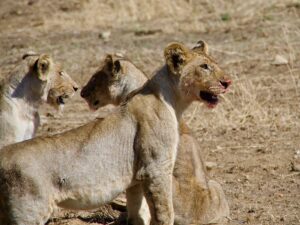
- Classic wildlife & the Big Five: Serengeti National Park and the Ngorongoro Crater are the heart of Tanzania’s northern safari circuit.
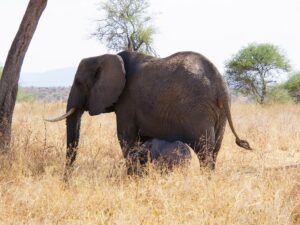
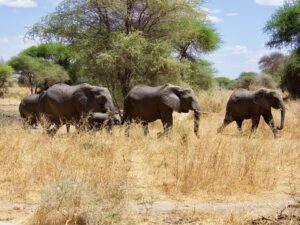
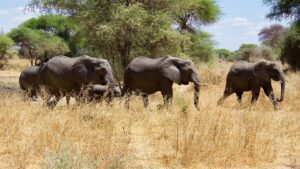
- Elephants and baobabs: Tarangire National Park is famous for large elephant herds and dramatic landscapes, especially in the dry season.
- Tree-climbing lions and birdlife: Lake Manyara National Park adds variety on shorter itineraries.
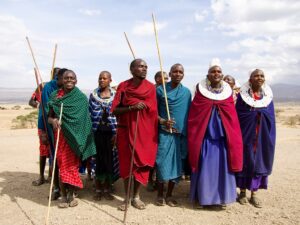
- Culture and daily life: Visits around Moshi, Arusha or Mto wa Mbu can add meaningful cultural context to a wildlife trip.
- Beach time after safari: Many travelers finish in Zanzibar for rest and ocean views.

2. Choose the right trip length
The number of days shapes how much you can comfortably see without spending all your time on the road:
- 3 days: A focused introduction — ideal if you’re short on time (often Tarangire + Ngorongoro).
- 4–5 days: A balanced northern-circuit safari with room for two or three key parks.
- 7 days: The classic week-long route combining Serengeti, Ngorongoro, Tarangire and Lake Manyara.
- 8+ days: A slower pace, deeper wildlife time, or a bush-and-beach combination with Zanzibar.
Not sure what fits? Browse our Tanzania safari itineraries for starting points you can tailor.
3. Pick the best time for your goals
Tanzania is a year-round destination, but the experience changes with the seasons:
- June to October (dry season): Excellent wildlife viewing as animals gather around water sources; popular and often busier.
- January to March: Great for calving season in the southern Serengeti and generally rewarding game viewing.
- April to May (long rains): Lush landscapes, fewer visitors, and attractive value — with some afternoon showers.
- November to December (short rains): Green scenery and good wildlife, with brief, occasional rain.
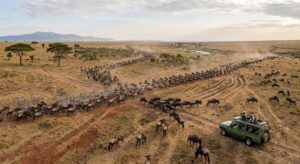
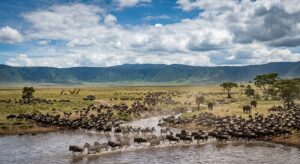
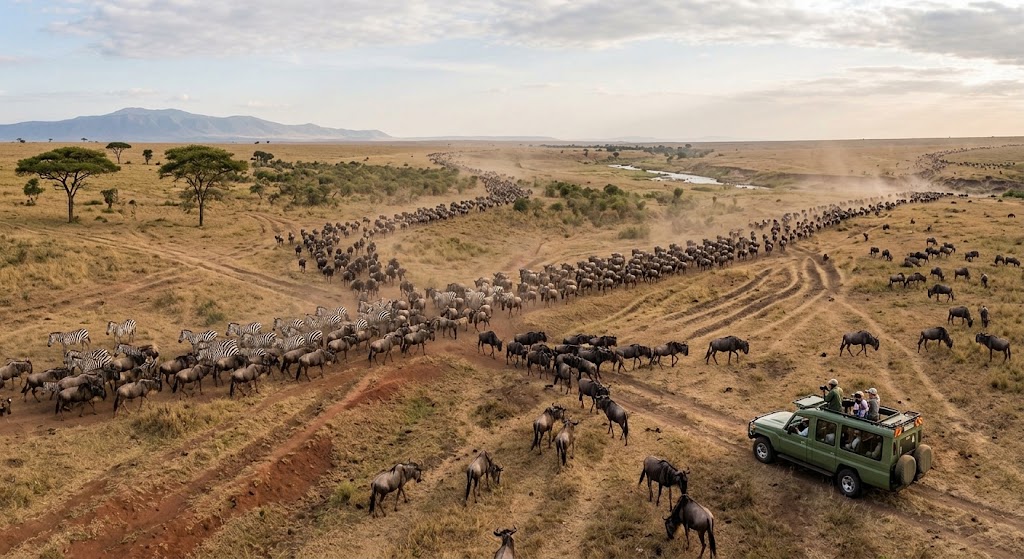
If witnessing the Great Migration is a priority, timing and location matter — a local planner can help match your dates to where the herds are likely to be.
4. Set a realistic budget
Safari costs vary based on group size, travel season, accommodation style (camping, mid-range lodges, or luxury), and park fees. As you plan, account for:
- Park and conservation fees
- Private 4×4 vehicle and professional guide
- Accommodation and meals
- Transfers and any flights (e.g. to Zanzibar)
- Extras such as balloon safaris or cultural visits
A clear itinerary with inclusions and exclusions makes it much easier to compare options fairly.
5. Travel with a local expert
Working with a Tanzania-based operator helps you get practical advice on routes, driving times, seasonal conditions, and permits — and it means support is close by while you travel. Look for transparent pricing, responsive communication, and itineraries that can be adjusted to your needs rather than one-size-fits-all packages.
Ready to plan your Tanzania safari?
If you’d like help turning your ideas into a personalized itinerary, the Permutours team in Arusha can recommend the right route, duration, and pace for your trip.
- Chat with us on WhatsApp: +255 736 204 550
- Explore trip ideas: Browse our safari itineraries
Tell us your travel dates, group size, and what you’d most like to see — we’ll help you shape a safari that fits.