Christmas and New Year Tanzania Safari 2026/2027: The Ultimate Holiday Travel Guide
Swap snow for savannah. Plan a Christmas Tanzania Safari with local experts in Arusha — from Serengeti calving grounds and Ngorongoro’s crater to barefoot New Year sunsets in Zanzibar.
Christmas morning in Tanzania does not begin with carols and wrapped presents under a tree. It begins at 5:40 a.m., with a thermos of coffee, a guide who has worked these plains for eleven years, and the low silhouette of acacia trees against a sky the colour of apricots. By seven, your family is watching a lioness lead her cubs through the grass. By lunchtime, you are swimming at a lodge overlooking the Serengeti. By New Year’s Eve, you could be barefoot on Zanzibar with a drum circle on the beach.
That is the promise of a Christmas Tanzania Safari: a holiday that feels genuinely celebratory without feeling like everyone else’s holiday. This guide is written by the Permu Tours team, an Arusha-based safari operator that has designed private, personally guided festive-season journeys for families, couples, honeymooners and multi-generational groups. Everything below comes from the questions our guides are asked every December — and the answers we give them.
1. Why Tanzania Is Perfect for Christmas and New Year
There is a particular kind of magic in celebrating the festive season somewhere the seasons are reversed. While friends at home are scraping ice from windscreens, you are setting out in an open-sided 4×4 under a sky that turns from indigo to gold in fifteen minutes. Tanzania in December and January is in its short-rains shoulder season: the landscape is green, the dust is settled, and the wildlife is spread across the plains rather than concentrated around shrinking waterholes.
Four things make this window especially good for a holiday trip:
- The wildlife is genuinely excellent. The Great Migration herds move into the southern and central Serengeti, and the Ngorongoro Crater offers reliable year-round sightings of the Big Five, including the rare black rhino.
- It suits every kind of traveller. Private safari vehicles mean a multi-generational family can travel at its own pace, while couples and honeymooners can choose intimate camps with private plunge pools and bush dinners.
- Crowds are lighter than in July and August. You still need to book early — Christmas is a peak week — but the classic photo stops are far less congested than in the high migration season.
- The beach is right there. A short flight connects the safari circuit to Zanzibar, so you can spend Christmas watching elephants and New Year watching the tide come in.
From our base in Arusha, we see the same pattern every year: guests arrive slightly sceptical that a safari can feel like a proper holiday, and leave asking how they can return. The difference is personalisation. A Tanzania safari tour built around your dates, your children’s ages and your budget feels nothing like a fixed-departure bus.
Local insight — book earlier than you think
Christmas and New Year are the two busiest weeks of the Tanzanian safari calendar. For the best lodges in the Serengeti and Ngorongoro, enquire 9–12 months ahead. If you are booking late, we can often still build an excellent trip by swapping a premium camp for a similarly located camp with availability — that is exactly what a local operator can do.
2. Best National Parks to Visit During the Holiday Season
Not all parks are equal in December and January. Here is how we advise guests to choose, based on what our guides are actually seeing on the ground.
Serengeti National Park
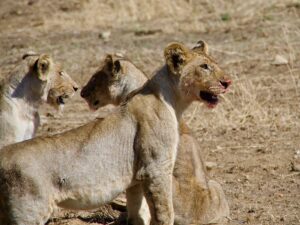
The headline act. In the holiday window the herds are generally in the southern and central Serengeti, moving across the short-grass plains towards Ndutu. Game drives here feel cinematic: cheetahs hunting in open grassland, elephant herds moving in single file, and prides of lions resting in the shade of isolated trees. Our Serengeti safari itineraries typically allow two to three nights so you are not spending your whole holiday in a vehicle. For deeper background, see our guide to what to know before a Serengeti safari.
Ngorongoro Crater
If you only have one day for a Big Five check-list, this is where to spend it. The crater floor is a self-contained wildlife bowl with lions, elephants, buffalo, hippos and the best chance of seeing a black rhino in Tanzania. December and January can bring mist in the early morning, which usually clears by mid-morning. Combine it with the Serengeti rather than treating it as an alternative — our guide to Serengeti vs Ngorongoro explains the difference.
Tarangire National Park
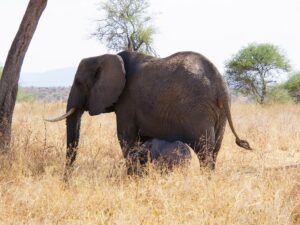
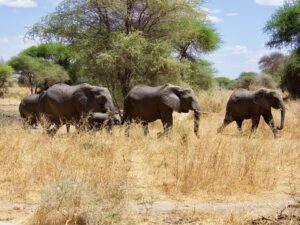
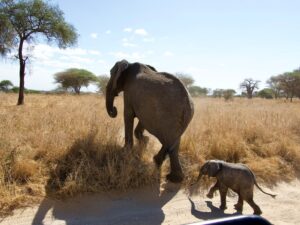
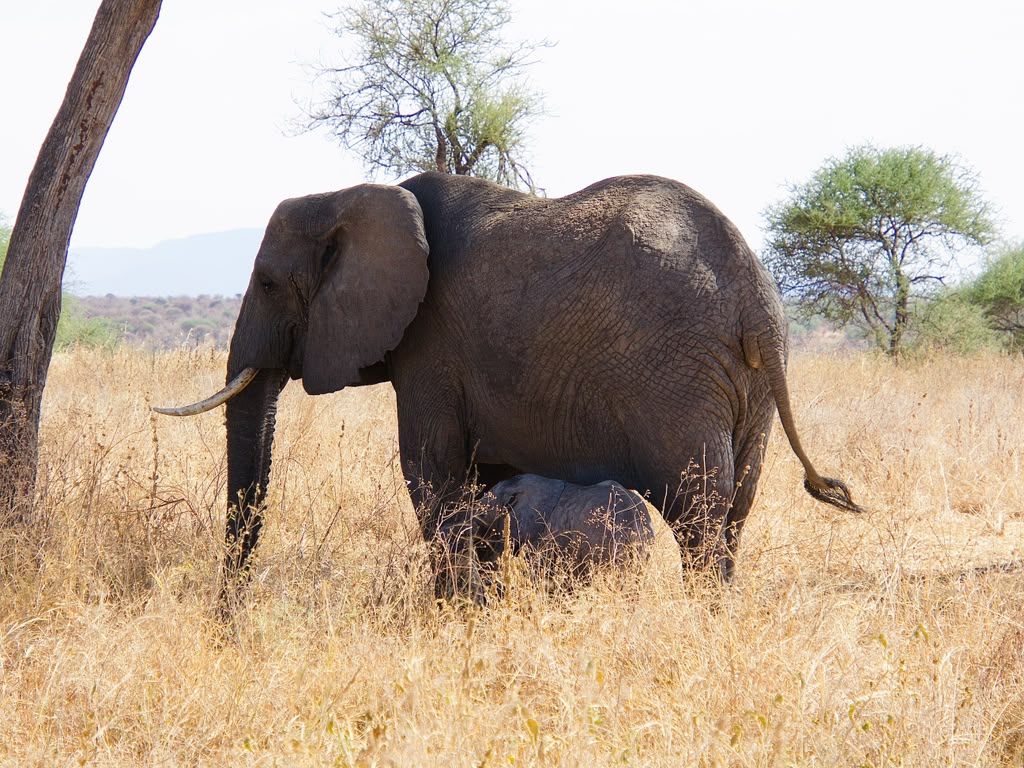
Tarangire is famous for elephants and ancient baobab trees, and it is the perfect first or last stop on a northern-circuit safari because it is only a couple of hours from Arusha. December rains turn the park green and disperse some wildlife, but the elephant herds remain a highlight. Read more about Tarangire National Park.
Lake Manyara and Arusha National Park
Lake Manyara is a good half-day or full-day option on the way in or out, known for tree-climbing lions, flamingos and baboon troops. Arusha National Park, on the outskirts of the city, is excellent for a short first day — especially for families who want a gentler introduction with canoeing on Lake Momella.
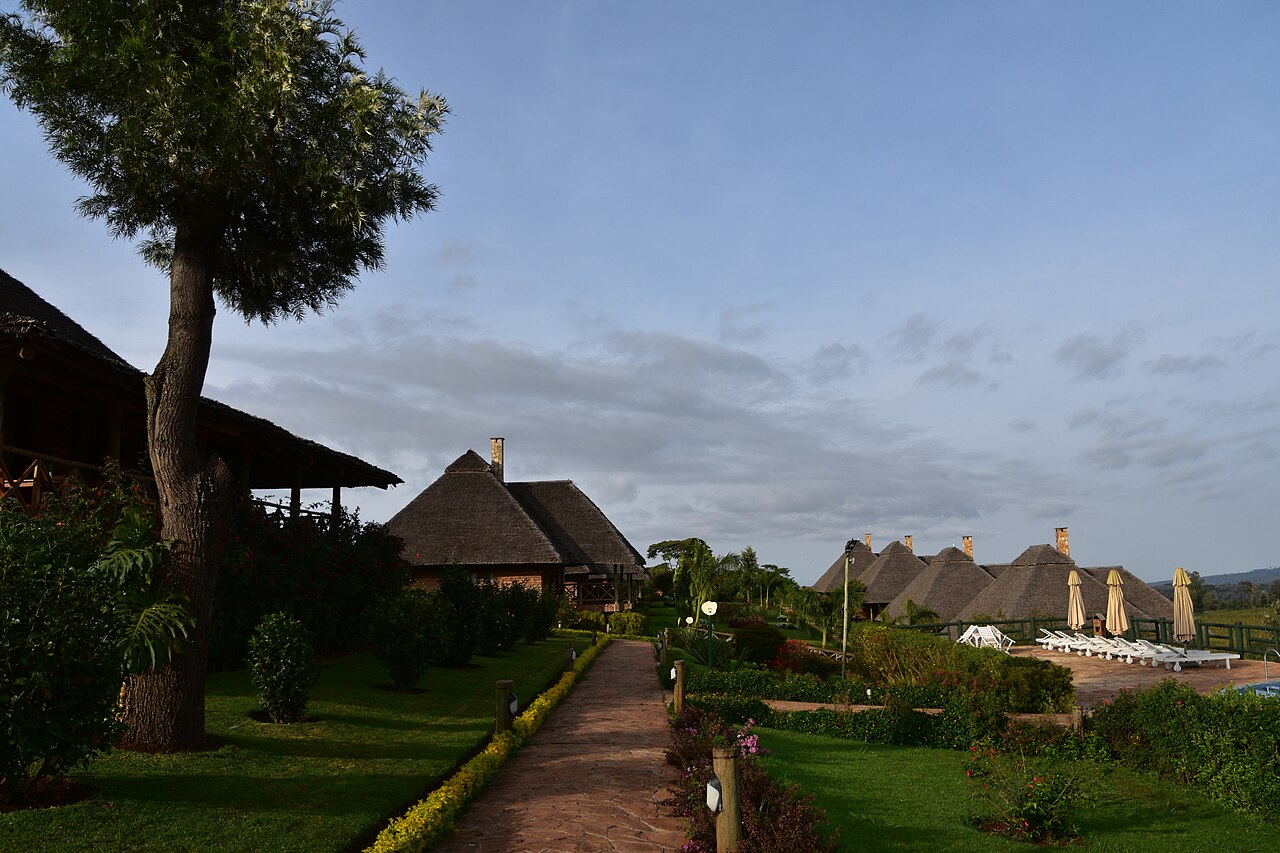

Where to stay: three real safari lodges on the northern circuit
Accommodation is the single biggest choice in a holiday safari. These are three genuine properties on the northern circuit, shown so you can picture the style of stay we tailor for our guests — from crater-rim tents to treetop suites.
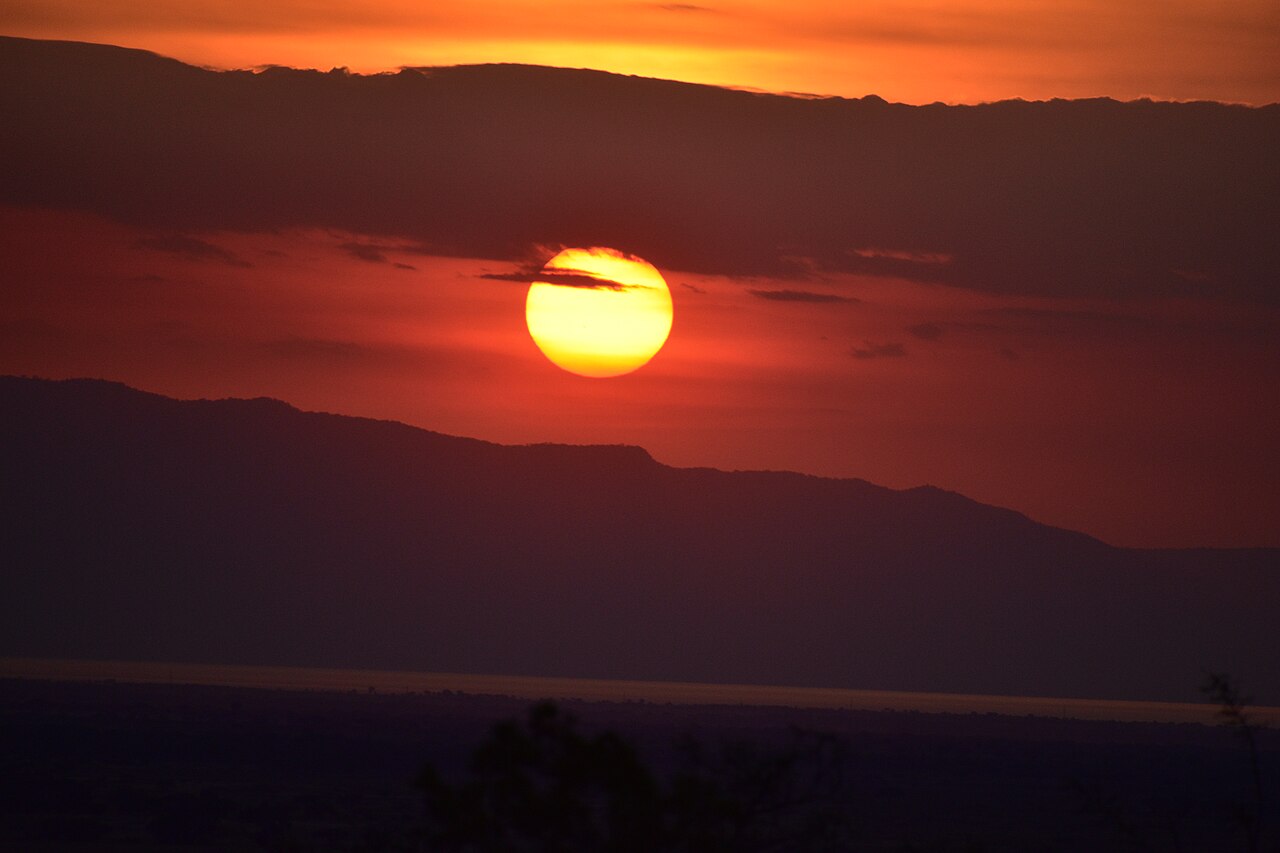
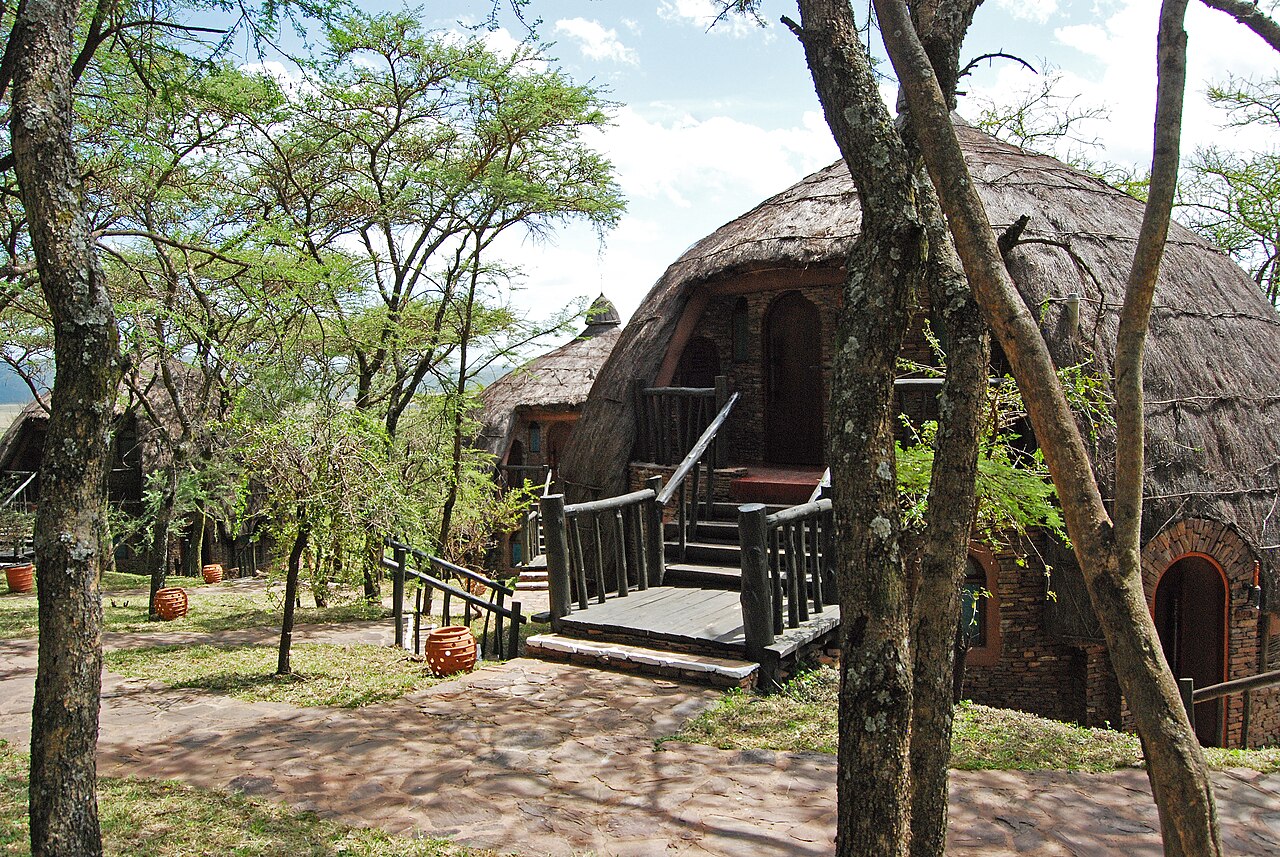
3. Serengeti Wildlife Highlights in December and January
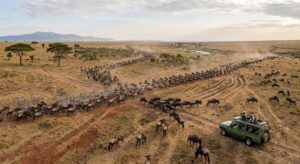
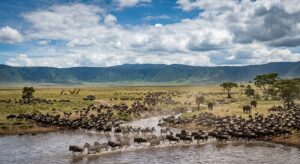
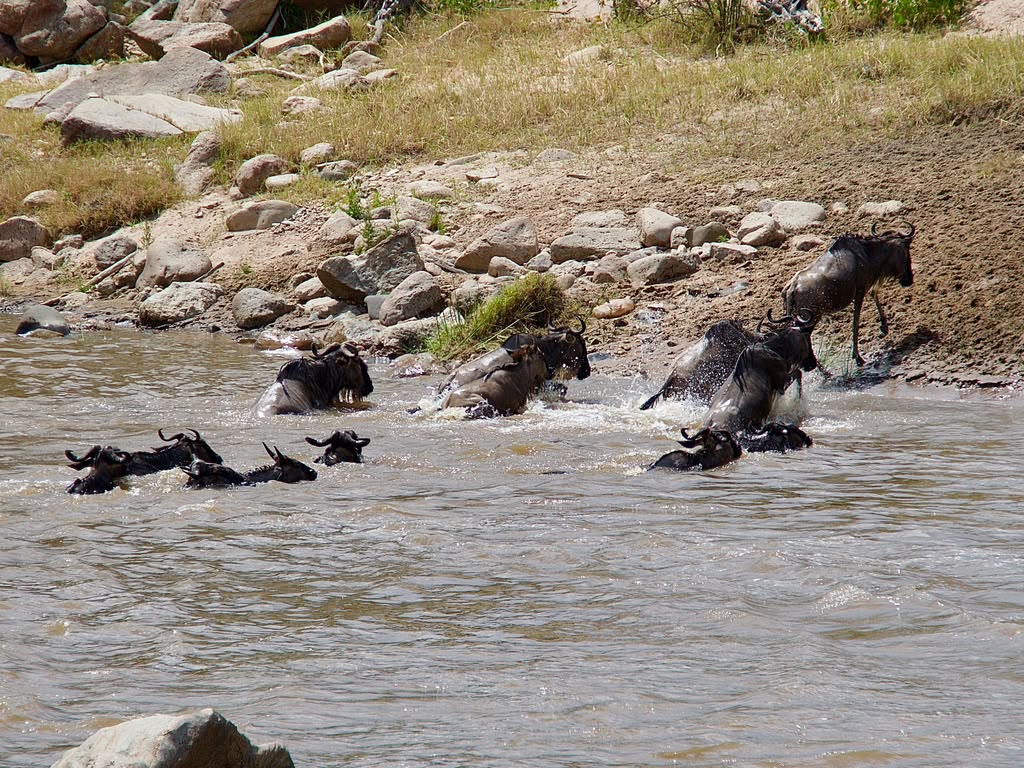
The Great Migration is not a single moment; it is a year-round movement. By December the herds have generally pushed south from the northern Serengeti into the central and southern plains, including the Ndutu region, where the grass is short and nutritious. January brings the beginning of calving season, with the peak usually falling in January and February. For a Christmas Tanzania Safari, that means two distinct treats.
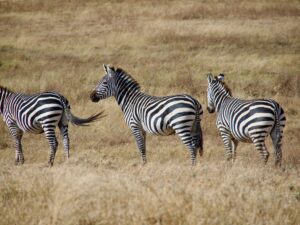
First, the herds themselves. Wildebeest and zebra spread across the plains in long, rolling lines, and the sound at dawn is something no photograph captures. Second, the predators. Calving season draws lions, leopards, cheetahs and hyenas to the southern Serengeti, and the open grassland makes cheetah sightings particularly good. This is also excellent birdwatching country, with raptors, bustards and hornbills in abundance.
Practical advice from our guides: stay at least two nights in the Serengeti, and choose a camp in the southern or central area for this season. A dawn drive followed by a slow breakfast and an afternoon drive gives you the best light and the most activity. If you are travelling with children, our guides will happily shape a drive around a sighting rather than a schedule — a leopard in a tree can hold a family’s attention for an hour.
Worth knowing about calving season
Newborn wildebeest are a spectacular sight, but they also mean predators are close and the grass can be long in places. Your guide will read the landscape and position the vehicle respectfully. We never drive off-track or position a vehicle to disturb a birth.
4. Family-Friendly Holiday Safaris
A family safari works best when it is designed around the youngest traveller, not around a fixed itinerary. Over the years we have learned what actually matters to families travelling at Christmas.
Private vehicles are non-negotiable. A private 4×4 means your children can stretch out, nap between drives, and ask every question they want without worrying about other guests. It also means you can leave a game drive early when the novelty wears off — something impossible on a shared safari.
Choose lodges that welcome children. Many Serengeti camps set a minimum age, but plenty of excellent lodges welcome families and offer family tents, child menus and short “junior ranger” walks. We will match you to properties based on your children’s ages rather than simply booking the most expensive camp.
Build in downtime. The most common mistake is over-scheduling. Children remember the elephant that walked within twenty metres of the vehicle, not the sixth consecutive hour of driving. Our holiday safari packages deliberately include slower days and swimming time.
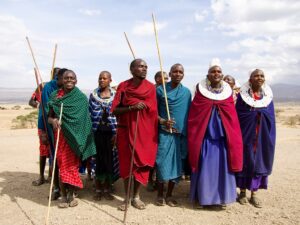
Make it educational. A good guide turns a game drive into a biology lesson: tracking footprints, identifying bird calls, explaining how the Maasai live alongside wildlife. For teenage travellers especially, that context turns a holiday into something they talk about for years.
For first-timers, our step-by-step first safari guide is a useful companion, and our dedicated family journey shows how we put these principles into practice.

5. Combining Safari and Zanzibar for the Ultimate Holiday
If you want one trip that satisfies everyone, combine the Serengeti with Zanzibar. The logic is simple: safari is early mornings, dust and adrenaline; Zanzibar is late breakfasts, warm Indian Ocean water and absolutely nothing on the schedule. After six days of game drives, the beach feels earned.
The standard route is a scheduled or private flight from Arusha or Kilimanjaro to Zanzibar, usually via Dar es Salaam, followed by three to four nights on the coast. Christmas and New Year are high season on the island too, so book beach accommodation at the same time as your safari camps.
What to do with your days? Stone Town offers a fascinating half-day of narrow alleys, spice markets and Swahili architecture. Snorkelling trips to Mnemba Atoll are excellent for families. Honeymooners often prefer the quieter east coast beaches such as Nungwi or Matemwe. And New Year’s Eve on a Zanzibar beach — with a bonfire, live drumming and a horizon full of stars — is a genuinely memorable way to close the year.
Our most-requested festive combination
Four nights on the northern safari circuit — Tarangire, Serengeti and Ngorongoro — followed by four nights in Zanzibar. It fits comfortably into a 10-day holiday, gives you three distinct ecosystems, and ends with genuine rest. That is the structure behind our sample 10-day itinerary below.
6. What Weather to Expect
Tanzania’s “short rains” usually arrive in November and taper off through December, with scattered afternoon showers rather than all-day downpours. January is generally drier and hot. Conditions vary sharply by altitude, so pack for more than one climate.
| Region | Typical daytime | Typical night | What it feels like |
|---|---|---|---|
| Serengeti plains | 25–30°C / 77–86°F | 14–18°C / 57–64°F | Hot, dry and sunny; chilly at dawn. |
| Ngorongoro highlands | 18–24°C / 64–75°F | 8–13°C / 46–55°F | Crisp, misty mornings; bring a warm layer. |
| Tarangire / Manyara | 27–32°C / 81–90°F | 16–20°C / 61–68°F | Hot and dry with greener vegetation. |
| Zanzibar coast | 27–31°C / 81–88°F | 24–27°C / 75–81°F | Warm, humid, with occasional short showers. |
The practical takeaway: a Safari in December and January is a layering exercise. Dawn drives start cold, midday is genuinely hot, and the crater can feel like a different country from the plains. Rain, when it comes, usually arrives in the late afternoon and clears quickly — and it makes for dramatic skies.
Good news for photographers
The combination of green vegetation, low dust and broken cloud makes December and January some of the most photogenic months of the year. The harsh, washed-out midday light of the dry season is softened by scattered cloud.
7. What to Pack
Pack light, pack layers, and pack neutral colours. Most lodges offer laundry, so you do not need a different outfit for every day. For current guidance on seasonal conditions, our best time to visit Tanzania guide is also useful.
| Category | Essentials | Notes |
|---|---|---|
| Clothing | 2–3 lightweight neutral shirts, 1 fleece or warm layer, long trousers, a light rain jacket, swimwear | Neutral colours blend in and attract fewer tsetse flies. The fleece is for dawn drives and the crater. |
| Footwear | Comfortable closed shoes, sandals for the lodge | trainers are fine for walking; nothing heavy needed. |
| Sun & insect protection | High-SPF sunscreen, wide-brim hat, sunglasses, insect repellent | The equatorial sun is strong even under cloud. |
| Health | Malaria prophylaxis (discuss with your doctor), basic stomach remedies, any personal medication | Carry copies of prescriptions. Ask your GP about yellow fever requirements before travel. |
| Tech | Type G plug adapter, power bank, camera with a zoom lens, binoculars | Binoculars transform the experience for children and adults alike. |
| Documents | Passport, visa or e-visa, travel insurance, printed itinerary and lodge vouchers | Passport validity rules apply — check well before departure. |
| For Zanzibar | Reef-safe sunscreen, rash vest, waterproof phone pouch, modest clothing for Stone Town | Respect local customs away from the beach. |
Book flights and visas early
Festive-season fares to Kilimanjaro climb quickly, and visa processing can take longer in December. Confirm your passport has at least six months’ validity and check the current visa route for your nationality before you pay a deposit.
8. Sample 7-Day Holiday Itinerary
This classic northern-circuit route is our most popular short festive itinerary. It is designed for families and first-time visitors who want the highlights without a punishing pace.
| Day | Route & highlights | Overnight |
|---|---|---|
| Day 1 | Arrive at Kilimanjaro International Airport. Meet your Permu Tours guide, transfer to Arusha and brief the days ahead over dinner. | Arusha |
| Day 2 | Tarangire National Park — elephant herds and baobabs, with a picnic lunch under the trees. | Tarangire / Manyara area |
| Day 3 | Lake Manyara for tree-climbing lions and flamingos, then the drive towards the crater highlands. | Ngorongoro area |
| Day 4 | Full-day Ngorongoro Crater safari with a picnic lunch on the crater floor — Big Five territory. | Ngorongoro area |
| Day 5 | Cross into the Serengeti, game viewing en route. Afternoon drive to camp. | Central/Southern Serengeti |
| Day 6 | Full Serengeti day: dawn drive, slow breakfast, then the southern plains where the herds are grazing. Optional sunset drive. | Serengeti |
| Day 7 | Final morning drive, then a scenic flight or road transfer back to Arusha for your onward journey. | Departure |
Travelling over Christmas itself? We can arrange a festive lunch in the bush, a decorated camp mess tent and a small gift for the children — just tell us when you enquire. If you have two extra days, extend with a night at Lake Manyara or a hot-air balloon ride over the Serengeti.
9. Sample 10-Day Safari and Zanzibar Itinerary
This is the trip we recommend to couples, honeymooners and families who want the complete festive experience: three iconic parks, four nights on the coast, and New Year’s Eve by the Indian Ocean.
| Day | Route & highlights | Overnight |
|---|---|---|
| Day 1 | Arrive in Arusha. Private transfer, safari briefing and a relaxed evening. | Arusha |
| Day 2 | Tarangire National Park — big elephant families, baobabs and a bush picnic. | Tarangire / Manyara |
| Day 3 | Lake Manyara, then into the Ngorongoro highlands. Optional Maasai village visit. | Ngorongoro |
| Day 4 | Ngorongoro Crater full-day safari. Descent at dawn for the best light. | Ngorongoro |
| Day 5 | Scenic drive to the Serengeti, with game viewing en route. | Serengeti |
| Day 6 | Full day in the southern and central Serengeti — migrating herds, cheetahs and big prides. | Serengeti |
| Day 7 | Morning game drive, then flight to Zanzibar. Transfer to your beach hotel and settle in. | Zanzibar |
| Day 8 | Stone Town half-day — spice market, narrow alleys, Swahili architecture — with the afternoon free on the beach. | Zanzibar |
| Day 9 | Snorkelling at Mnemba Atoll or a relaxed dhow sunset cruise. New Year’s Eve beach dinner under the stars. | Zanzibar |
| Day 10 | Leisurely breakfast and transfer to Zanzibar airport for your flight home. | Departure |
Every itinerary we send is a starting point, not a fixed product. Tell us your travel dates, ages and must-sees, and we will reshape the route. That is the difference between booking a safari and working with a local Arusha safari expert.
Ready to book your Christmas adventure?
Tell us your dates and we will build a personalised festive itinerary with honest pricing and no obligation.
Book Your Christmas Adventure
Talk to a Tanzania Safari Expert
10. Frequently Asked Questions
Is December a good time to visit Tanzania for a safari?
Yes. December falls in the short-rains shoulder season: landscapes are green, wildlife is excellent in the Serengeti and Ngorongoro, and crowds are lighter than in the peak dry months. Rain usually comes as short afternoon showers rather than all-day downpours.
Will I see the Great Migration over Christmas?
In December and January the herds are generally in the central and southern Serengeti, including the Ndutu area, rather than the northern crossing points. Calving begins around this time and peaks in January and February, which also attracts predators. Your guide will position you where the herds actually are on your dates.
Is a Christmas Tanzania Safari suitable for young children?
Absolutely, provided it is designed properly. We recommend a private vehicle, family-friendly lodges, shorter drives and plenty of downtime. Many camps have age restrictions, so tell us your children’s ages when you enquire and we will match you to suitable properties.
How far in advance should I book?
For Christmas and New Year, aim for 9–12 months for the best camps and flights. Later bookings are often still possible, but choice narrows and prices rise. Zanzibar beach hotels fill quickly for the same reason.
How much does a Christmas safari in Tanzania cost?
Costs depend on lodge category, group size and whether you add Zanzibar. Private guiding and festive-season supplements do add to the price, but travelling as a family group often works out cheaper per person than joining a fixed departure. Request a tailored quote for accurate figures.
Can we celebrate Christmas and New Year in different places?
Yes — that is exactly why many guests combine the Serengeti with Zanzibar. Christmas in the bush and New Year on the beach is one of the most popular festive combinations we arrange.
What should I wear on safari at Christmas?
Lightweight neutral clothing, a warm fleece for dawn drives, long trousers and a light rain jacket. Avoid bright colours and heavy patterns. On Zanzibar, pack modest clothing for Stone Town alongside your beachwear.
Do I need a visa or vaccinations?
Most visitors need a tourist visa or e-visa, and passport validity rules apply. Malaria prophylaxis is commonly recommended. Yellow fever vaccination may be required depending on your route. Check with your doctor and the official Tanzanian immigration guidance well before departure.
Are Christmas and New Year safaris crowded?
The festive weeks are busy, but Tanzania’s parks are vast. With a private guide you can avoid the busiest stops and time your drives for the quieter early mornings. The Serengeti in December still feels far less congested than the July–August migration peak.
Why book with a local Arusha operator?
Local knowledge changes the trip. We know which camps have availability, where the herds are in a given week, how to handle a late flight, and which guides work best with children. You also get a direct line to the people actually running your safari, not a call centre overseas.
Plan a festive season you will never forget
Free itinerary, honest advice, no pressure. Contact our Arusha team and start planning your Christmas Tanzania Safari.