Welcome to Tanzania
Top 10 Mistakes to Avoid When Planning a Tanzania Safari
A practical, no-nonsense guide from our Arusha-based team. Get the timing, budget, parks, flights and packing right, and your first safari will be the trip you talk about for years.
Planning a Tanzania safari is exciting. It is also surprisingly easy to get wrong. We have watched travelers arrive with five parks on a five-day itinerary, international flights locked in before the route was settled, and a suitcase that will not fit on a light aircraft. Almost every one of those problems is avoidable with a little local knowledge.
We are Permutours, an Arusha-based safari team. We plan Tanzania safari itineraries for first-time visitors, families, couples, luxury travelers and holiday-season guests, and we have seen the same planning mistakes repeatedly. This guide walks through the ten we see most often, and explains exactly how to avoid each one.
Quick Answer: What are the most common Tanzania safari planning mistakes?
The biggest Tanzania safari planning mistakes are choosing the wrong season, underestimating the real cost, cramming too many parks into one trip, giving the Serengeti too little time, booking international flights before the safari route is fixed, ignoring internal flights and transfer times, choosing the wrong accommodation style, packing incorrectly, skipping Zanzibar, and booking without local expert advice. Plan the route first, allow at least seven days for the northern circuit, budget for park fees and internal flights, and work with an Arusha-based operator who knows the parks in every season.
Related reading: How to Plan Your First Tanzania Safari and Best Time to Visit Tanzania for Safari.
Mistake #1: Choosing the Wrong Time of Year
“When is the best time?” is the first question most travelers ask. The honest answer is that there is no single best month – there is only the best month for what you want to see. Choosing dates based on a generic “dry season is best” rule is the most common planning error we see.
There is no single “best” time
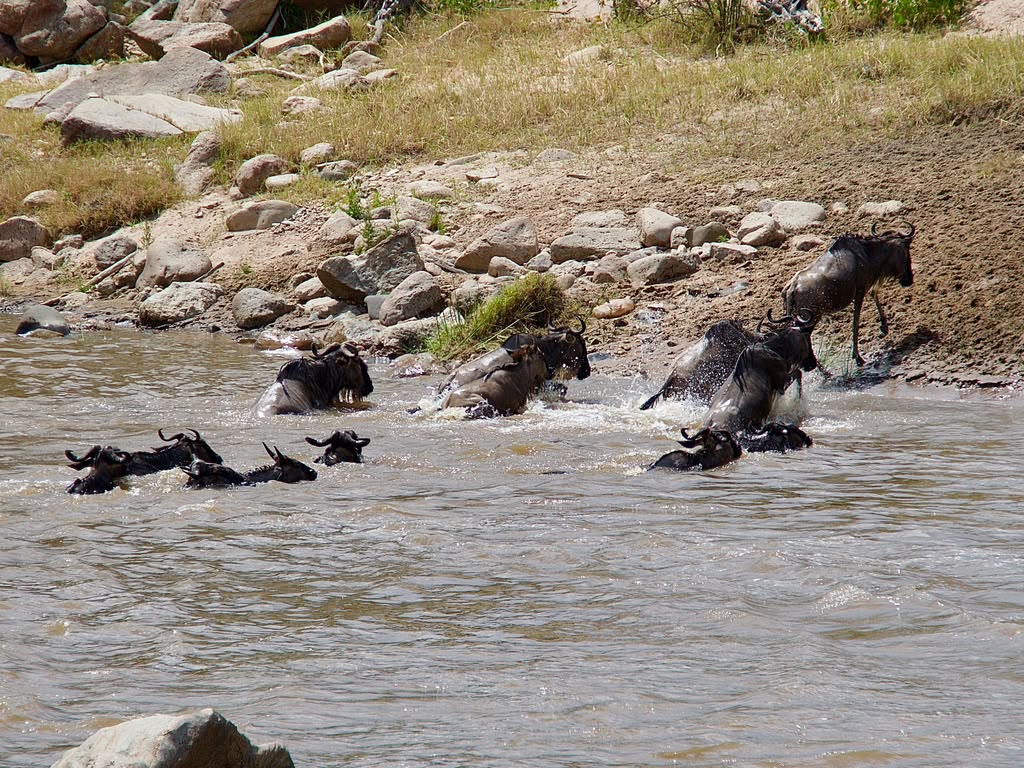
The dry season from June to October is excellent for general wildlife viewing and the famous Mara River crossings in the northern Serengeti, usually from July to September. But the green season from January to March is calving time in the southern Serengeti and Ndutu, when huge herds and newborn calves attract predators in dramatic numbers. November and December bring the short rains, fewer crowds and excellent value. April and May are the long rains: lush landscapes, very low prices and far fewer vehicles, though some camps close and roads can be harder going.
Our local rule of thumb
Decide what matters most first – migration crossings, calving, big cats, birdlife, or quiet and value – and then choose the month. If you are traveling over Christmas and New Year, book early and accept that popular camps fill up. Shoulder months such as November and February often deliver the best balance of wildlife and atmosphere.
Mistake #2: Underestimating Safari Costs
A safari is not a hotel stay with a game drive added on. There are park and conservation fees, a private vehicle and guide, meals, internal flights, tips and visas. Travelers who budget using only the nightly lodge rate are almost always surprised.
What you are actually paying for
Serengeti National Park and the Ngorongoro Conservation Area charge significant entry and conservation fees, and the Ngorongoro Crater has an additional crater fee. Those fees fund conservation and anti-poaching work, and they are a fixed part of every itinerary. On top of that, a well-run safari includes a professional driver-guide, a properly maintained 4×4 vehicle, fuel, meals and often unlimited game drives.
The costs travelers forget
- Internal light-aircraft flights between the parks and Zanzibar
- Gratuities for guides and camp staff
- Tanzania visa fees and travel insurance
- Park fees that change with the season
- A Zanzibar extension, beach hotel and airport transfers
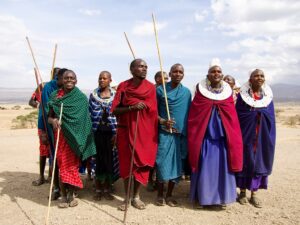
- Personal items, laundry and optional activities such as a Maasai village visit or hot-air balloon safari
How to budget with confidence
Ask for a fully itemized quote that states exactly what is included and what is not. A cheaper headline price often excludes the very things that make the trip comfortable. Our guide to how much a Tanzania safari costs breaks down the real numbers by travel style.
Mistake #3: Trying to Visit Too Many Parks
It is tempting to fit in Serengeti, Ngorongoro, Tarangire, Lake Manyara, Lake Eyasi and more. In practice, every extra park means more driving, more packing, shorter game drives and less time to simply sit and watch.
The “more parks equals better safari” trap
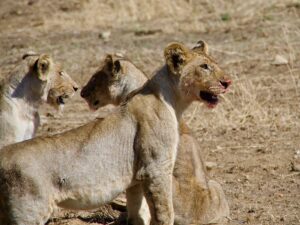
Wildlife does not perform on schedule. The best sightings often happen when you stay in one area long enough to understand it – when the guide notices a lioness moving toward a drainage line, or you return to a waterhole at the right hour. Rushing between six parks in seven days turns a safari into a road trip with a checklist.
A smarter park mix
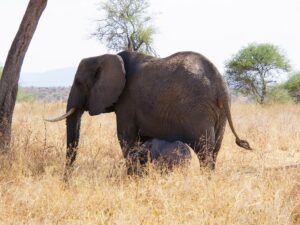
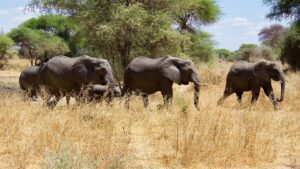
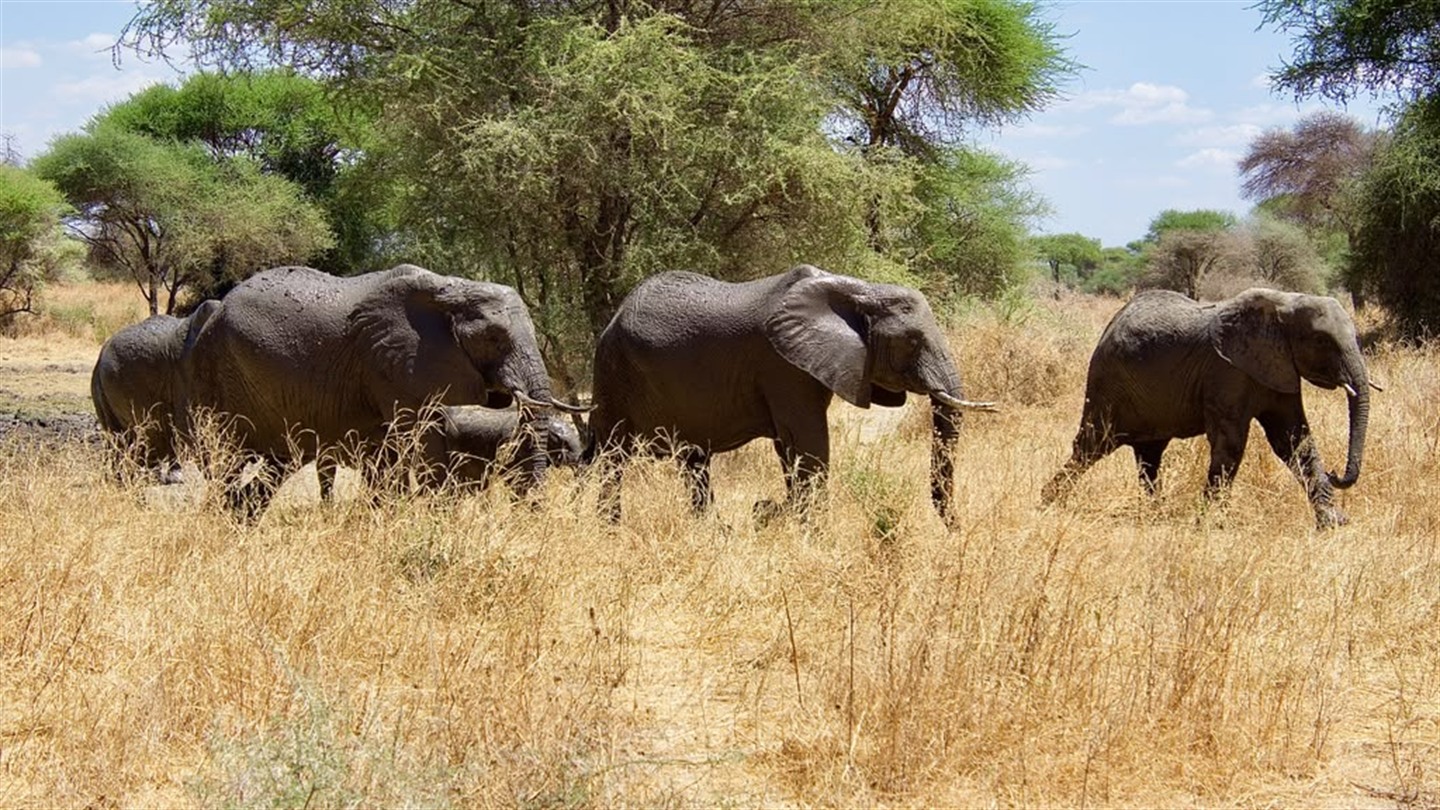
For a first safari, three parks in seven days works beautifully: Tarangire National Park for elephants and baobabs, the Ngorongoro Crater for dense wildlife in a spectacular setting, and the Serengeti for the wide-open plains and the migration. Add Lake Manyara only if you have an extra day, and treat specialist stops as their own trip.
Mistake #4: Not Allowing Enough Time in the Serengeti
If there is one place where travelers routinely under-budget their time, it is the Serengeti. A single night after a long drive is enough to say you have been there, but not enough to experience it.
Why one night is never enough
The Serengeti is huge – roughly the size of a small country. Wildlife is spread across different regions, and moving between the southern, central and northern sectors can take hours. Arrive late, leave early, and you spend most of your time in the vehicle rather than watching animals.
How many days you really need
Allow a minimum of three nights, and four to five if the migration is your priority. That gives you a full day in each area, time for an early-morning drive, and the flexibility to follow the herds. Couples often love two nights in the south and two in the north; families usually do better with a longer stay in one great location.
Our Serengeti vs Ngorongoro comparison helps you decide how to split your days between the two.
Mistake #5: Booking Flights Before Finalizing Your Safari
Flights are usually the first thing travelers book. On a Tanzania safari, that can quietly lock you into an inefficient route and expensive connections.
The routing mistake
Kilimanjaro International Airport (JRO) is the natural gateway for the northern circuit, while Dar es Salaam (DAR) works well for southern parks and Zanzibar. Zanzibar has its own airport (ZNZ). If you fly into JRO and out of DAR but plan to end on the coast, you may be adding a connection that could have been avoided entirely.
The right booking order
- Decide how many days you have and which season suits your goals.
- Let your operator sketch the safari route and the park order.
- Choose an open-jaw flight: into JRO, out of ZNZ or DAR.
- Book international flights once the route is fixed.
- Add internal flights and discuss connecting times.
This is one of the easiest mistakes to avoid, and one of the most expensive to fix later.
Mistake #6: Ignoring Internal Flights and Travel Times
On a map, the northern circuit looks compact. On the ground, distances are large and road conditions change with the season. Treating transfer times as an afterthought leads to exhausting days and missed connections.
Distances are bigger than they look
Arusha to the central Serengeti can take the better part of a day by road, depending on the route and conditions. Ngorongoro to the northern Serengeti is another long stretch. Adding a flight can save hours, but only if the schedule is built around airstrip timings rather than added at the last minute.
Road or air?
Road transfers suit families, larger groups and anyone who wants to see the landscape change gradually. Light aircraft are ideal for longer hops, especially when connecting to Zanzibar. If you fly, remember that most internal aircraft have a strict baggage allowance of around 15 to 20 kg in soft bags. A hard-shell suitcase may simply not be accepted.
Mistake #7: Choosing the Wrong Accommodation Style
“Luxury” means different things in the bush. A five-star city hotel and a luxury tented camp are not the same experience, and the most expensive option is not always the right one for your trip.
Style is not the same as quality
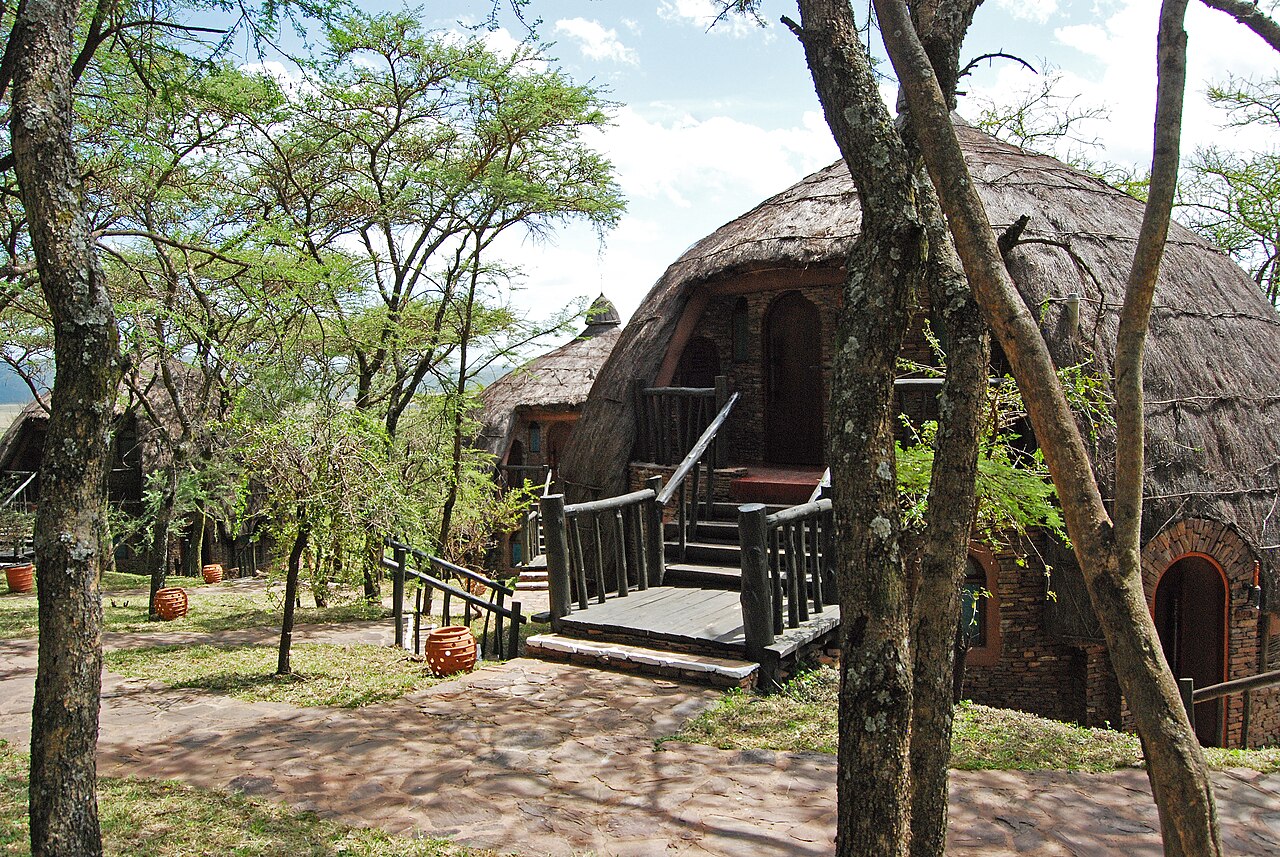
Game lodges offer solid walls, spacious rooms and often pools – excellent for families and anyone who wants a conventional hotel feel. Tented camps place you closer to the wildlife and the sounds of the bush, with comfortable beds and en-suite facilities but fewer solid barriers. Mobile camps follow the migration and give you front-row access to the herds, though they move with the season.
Location beats star rating
A beautifully finished camp in the wrong area will miss the action. Choose location first, then comfort level. If you are traveling with children, check family rooms, meal times and whether the camp allows young guests on game drives. Our team matches accommodation to the season and to your travel style, not to a star rating.
Mistake #8: Packing Incorrectly
Safari packing is not the same as packing for a beach holiday or a city break. The two most common errors are bringing too much and bringing the wrong things.
Pack for dust, layers and early starts
- Neutral colours – khaki, olive, beige – that do not startling wildlife
- Layers: a light shirt for hot days, a fleece and a windproof jacket for dawn drives
- A wide-brimmed hat, sunglasses and high-factor sunscreen
- Binoculars, a reusable water bottle and a small daypack
- Insect repellent and any personal medication
- A soft duffel bag if you are taking internal flights
What to leave at home
Bright colours, heavy suitcases, high heels and drones. Tanzania strictly restricts drone use, so do not bring one expecting to fly it. Avoid novelty clothing that will dominate every photograph. And remember that laundry is available at most camps, so you do not need a fresh outfit for every day.
Mistake #9: Skipping Zanzibar After the Safari
Many travelers spend all their time and budget on the safari, then fly home straight after the last game drive. It is a rewarding trip, but it misses the natural reset that the coast provides.
The beach is part of the journey
Safari days start before sunrise and are packed with movement, dust and adrenaline. Zanzibar offers warm water, white sand, Stone Town’s history and a completely different rhythm. Couples often say the beach days were the perfect counterpoint to the bush; families appreciate the chance to unwind together.
How long to add
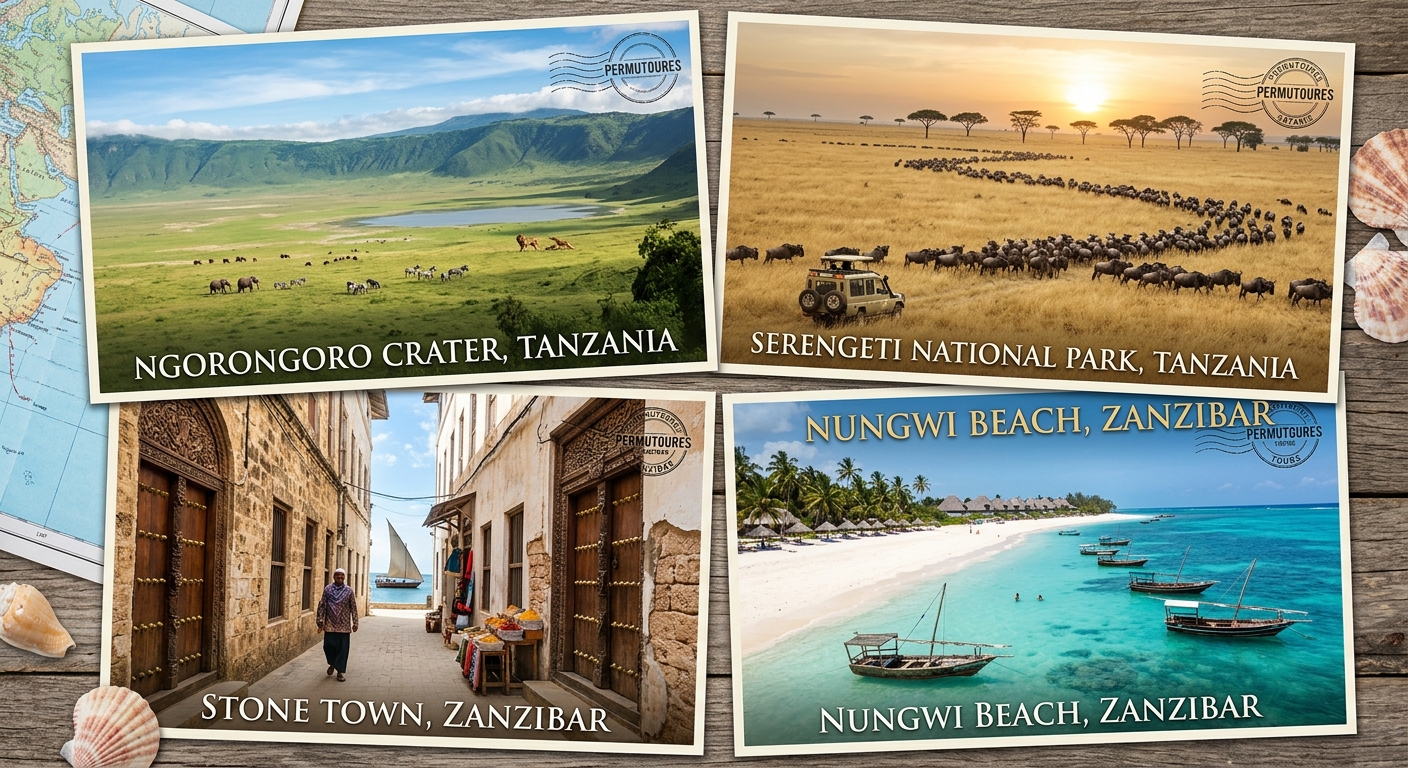
Three to four nights is the sweet spot. Fly from the Serengeti or Dar es Salaam, stay in Nungwi or another beach village, and consider a night in Stone Town if you enjoy history and food. Explore our Zanzibar holidays and the Tanzania safety guide before you go.
Get a Free Custom Safari Itinerary
Tell us your dates, who is traveling and what you want to see. We will send you a tailored route with honest timings, suggested camps and a clear budget – no obligation.
Mistake #10: Booking Without Local Expert Advice
The final mistake is also the one that causes the others. Booking purely on price, or relying on generic online advice, leaves you exposed to seasonal changes, road conditions and park rules that no static guide can keep up with.
What a local operator actually does
An Arusha-based team tracks where the herds are, which roads are passable, which camps are open and how park fees have changed. We know which guide suits a family with young children, which camp has the best location in February, and when a flight is worth the extra cost. That is firsthand knowledge, not research.
Questions to ask before you book
- Are park and conservation fees included in the quoted price?
- How long are the drives between each stop?
- Which camp or tented camp is recommended for my dates, and why?
- What is the baggage limit on internal flights?
- What happens if a road is closed or the herds move?
- Who is the guide, and how experienced are they with families or couples?
If an operator cannot answer these clearly, keep looking.

Sample Tanzania Safari Itineraries
Seeing the mistakes laid out is useful. Seeing a well-balanced itinerary is even better. Here are three routes we build regularly.
5 Days: Classic Northern Circuit
Day 1: Arrive at Kilimanjaro International Airport, meet your Permutours driver and overnight in Arusha. Day 2: Tarangire National Park for elephants and baobabs, overnight near the park. Day 3: Cross into the Ngorongoro highlands, with a crater tour in the afternoon if timings allow. Day 4: Early descent into the Ngorongoro Crater, then continue to the Serengeti. Day 5: A final dawn game drive before your onward flight. This is a good taster, but not ideal if the Serengeti is your priority.
7 Days: Serengeti and Ngorongoro in Depth
Days 1-2: Arusha and Tarangire. Days 3-4: Ngorongoro Crater and the highlands. Days 5-7: Three nights in the Serengeti, with a full day in the central or southern plains depending on the season. This is our most requested first-safari length, and the one we recommend to most couples and families.
10-11 Days: Safari and Zanzibar
Days 1-7: The seven-day northern circuit above. Day 8: Fly from the Serengeti to Zanzibar. Days 9-10: Beach time in Nungwi, with an optional Stone Town walk and sunset dhow cruise. Day 11: Fly home from Zanzibar. You can see a real example in our 11-day Tanzania safari itinerary.
7 days, three parks, private guide
Few stops, family rooms, flexible pace
Tented camp, sunset drives, Zanzibar
Book early, shoulder weeks, buffer days
Why Travelers Choose Permutours
We are based in Arusha, the gateway to Tanzania’s northern circuit. That matters. Our guides and planners work in these parks year-round, so our advice reflects what is happening now rather than what a guidebook said three years ago.
Local team, firsthand knowledge
We arrange the parks, camps, flights and guides as one connected journey. When conditions change, we adjust the plan rather than leaving you to work it out on the road. We also work with established camps and guides who know how to treat wildlife responsibly and how to make a safari enjoyable without crowding the animals.
Tailored, not template
No two groups want the same trip. A family with teenagers needs different pacing from a couple celebrating an anniversary, and a luxury traveler may care more about camp quality than mileage. We start with your dates and priorities, then build around them. Browse our Tanzania safari tours for inspiration, or read the holiday safari guide if you are traveling at year-end.
Request Your Free Safari Quote
Avoid the ten mistakes and start with a plan built by people who know Tanzania. Tell us your dates, group size and interests, and we will come back with a clear, tailored itinerary and honest pricing.
Conclusion
A great Tanzania safari is rarely about luck. It comes from choosing the right season for your goals, budgeting for the whole trip, keeping the park list realistic, giving the Serengeti enough days, booking flights in the right order, allowing for travel times, picking the right camp, packing sensibly, adding Zanzibar, and asking a local expert for advice. Get those ten things right and the rest tends to fall into place.
Ready to plan it properly? Contact Permutours and let our Arusha team design a safari around you.
Frequently Asked Questions
What is the biggest mistake when planning a Tanzania safari?
Trying to do too much in too little time. Cramming five or six parks into a short trip means long drives, rushed game drives and very little time to enjoy any one place. A slower route with three well-chosen parks and at least three nights in the Serengeti almost always delivers better sightings and a more enjoyable holiday.
How many days do you need for a Tanzania safari?
Seven days is the sweet spot for a first safari covering Tarangire, Ngorongoro and the Serengeti. Five days works as a short taster, while ten to eleven days allows a relaxed northern circuit plus three or four nights on Zanzibar. If the Great Migration is your priority, allow at least four nights in the Serengeti.
When is the best time to go on safari in Tanzania?
It depends on what you want to see. June to October is dry and reliable, with Mara River crossings usually from July to September. January to March is calving season in the southern Serengeti. November and December offer fewer crowds and short rains, while April and May are wetter, greener and much better value. There is no bad month, only a better match for your priorities.
How much does a Tanzania safari cost?
Costs vary widely with season, camp quality and group size. Your budget needs to cover park and conservation fees, accommodation, a private vehicle and guide, internal flights, tips, visa and insurance. Always ask for an itemized quote so you can see exactly what is included rather than comparing headline prices that exclude major items.
Should I book internal safari flights separately?
Let your operator handle them as part of the itinerary. Internal aircraft use small airstrips, have strict soft-bag baggage limits and depend on weather and landing slots. Booking them separately can leave you with connections that do not match your camp check-in times or your international departure.
Can I combine a Serengeti safari with Zanzibar in one trip?
Yes, and it is one of the best combinations Tanzania offers. Fly from the Serengeti or Dar es Salaam to Zanzibar after the safari and spend three to four nights on the coast. It gives you a relaxed ending, warm water and a completely different landscape. Build it into the route from the start so your international flights work open-jaw.
What should I pack for a Tanzania safari?
Bring neutral-coloured, layered clothing, a warm fleece for dawn drives, a wide-brimmed hat, sunscreen, insect repellent, binoculars and a reusable water bottle. Use a soft duffel bag if you are flying internally, because hard cases often exceed the baggage limit. Leave drones, bright colours and heavy luggage at home.
Why should I book with a local Tanzania safari operator?
A local Arusha-based team knows current road conditions, seasonal camp openings, park fee changes and where the herds actually are. That knowledge lets us adjust the route in real time and recommend the right camp for your dates. It also means your booking supports guides and communities who work in Tanzania year-round.