The Great Migration Safari Guide: Where and When to See the Migration in Tanzania
Follow the herds, time the river crossings, and plan an unforgettable Great Migration safari in Tanzania with local expert insight.
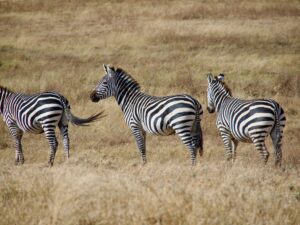
Few wildlife spectacles on Earth rival the Great Migration. Each year, more than a million wildebeest — joined by hundreds of thousands of zebra and gazelle — move in a vast, circular journey across the Serengeti–Mara ecosystem in search of fresh grazing and water. For many travelers, witnessing this movement is the ultimate goal of a Great Migration safari Tanzania experience.
But here’s the key: the migration is not a single event in a single place. It’s a year-round cycle that shifts with the rains. That means the best time to see the Great Migration depends on what you want to witness — calving season, dramatic Great Migration river crossing moments, or huge herds spread across open plains. At Permutours, our Arusha-based team plans Serengeti safari itineraries around real seasonal patterns, helping you be in the right region at the right time.
In this complete guide, you’ll learn where the Serengeti Great Migration moves throughout the year, when to go for specific highlights, which Serengeti areas to focus on, and how to plan a smooth, rewarding Tanzania migration safari.
What Is the Great Migration?
The Great Migration is a continuous, circular movement of over 1.5 million wildebeest, around 200,000+ zebra, and hundreds of thousands of gazelles across Tanzania’s Serengeti and Kenya’s Maasai Mara. Driven by rainfall and the search for nutritious grazing, the herds follow an ancient rhythm — and predators follow the herds.
- Scale: one of the largest overland mammal movements on the planet
- Cycle: happens every year, but exact timing and locations shift with the rains
- Drama: calving, long columns on the move, predator encounters, and iconic river crossings
This is why a well-planned Serengeti migration safari is about more than picking a month — it’s about choosing the right region for that month.
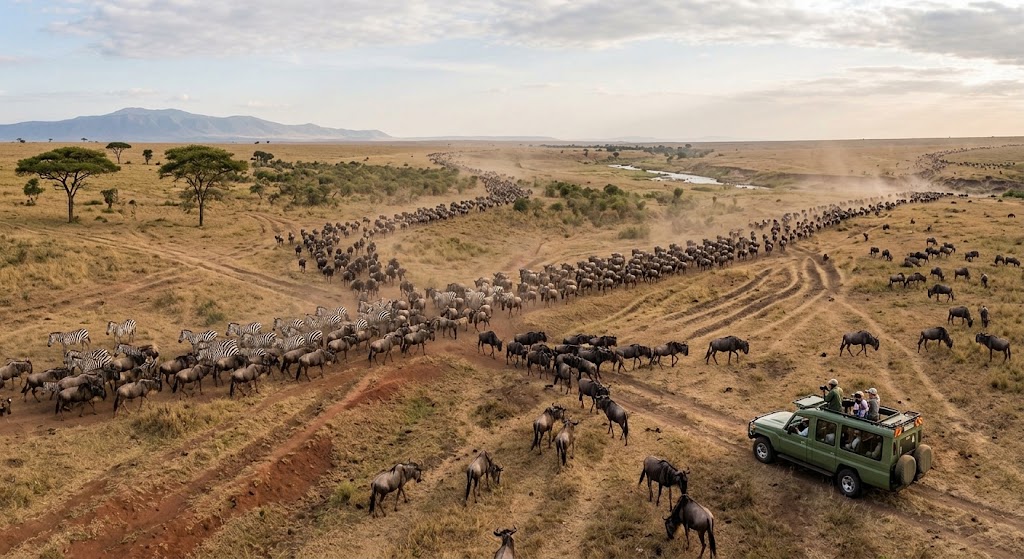
Great Migration Safari Tanzania: Month-by-Month Guide (Where & When)
Use this month-by-month overview to match your travel dates to the most likely migration locations. Keep in mind: nature doesn’t follow a fixed calendar, so flexibility and local guidance make a real difference.
| Months | Typical Location | What You May See | Good For |
|---|---|---|---|
| Jan – Mar | Southern Serengeti / Ndutu (Ngorongoro Conservation Area) | Calving season, huge herds on short-grass plains, intense predator action | Calving, big cats, photography, dramatic wildlife interactions |
| Apr – May | Central & Western Serengeti (moving north/west) | Long columns on the move, lush green landscapes, fewer crowds | Value, scenery, quieter safari in Serengeti |
| Jun – Jul | Western Corridor / Grumeti River region | Herds gathering and moving north, Grumeti crossings possible | Transition period, strong game viewing, varied action |
| Aug – Oct | Northern Serengeti (Mara River area) | Potential Great Migration river crossing scenes, high drama | River crossings, classic migration moments |
| Nov – Dec | Moving south through eastern/central Serengeti toward Ndutu | Herds returning with short rains, fresh grazing, good value | Fewer visitors, green season beauty, shoulder-season travel |
Region-by-Region: Where to Go for the Best Views
Understanding Serengeti regions helps you turn a good plan into a great one. Here’s how key areas fit into a Great Migration safari in Tanzania:
Southern Serengeti & Ndutu (Jan–Mar)
During calving season, the herds gather on the nutrient-rich short-grass plains of the southern Serengeti and Ndutu area. Thousands of calves can be born in a short period, drawing lions, cheetahs, hyenas, and other predators. It’s an intense, unforgettable time for wildlife viewing and photography.
Central Serengeti (Seronera) — Year-Round Strength
The Seronera Valley in central Serengeti offers reliable game viewing throughout much of the year, with resident wildlife and good chances of big cats. It’s a valuable base in many itineraries, especially when combined with seasonal migration areas.
Western Corridor & Grumeti (May–Jul)
As the herds push northwest, the Western Corridor and Grumeti River region can deliver exciting movement and, in some years, river-crossing action. The landscape here is varied and scenic, with fewer vehicles than some peak hotspots.
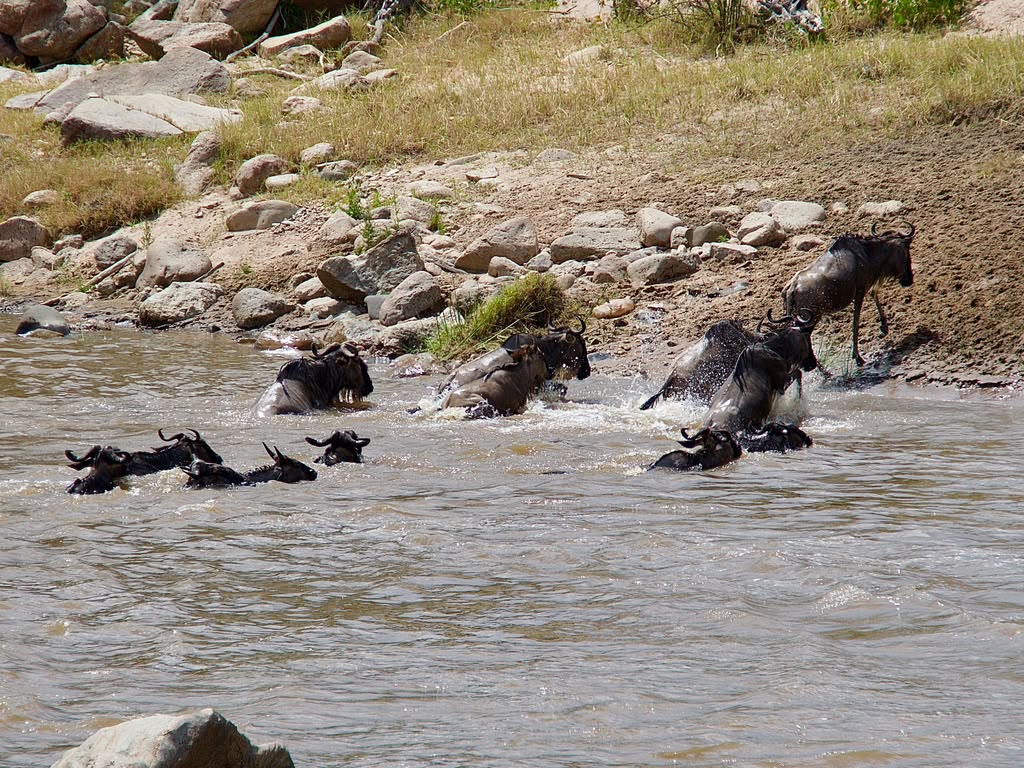
Northern Serengeti & Mara River (Jul–Oct)
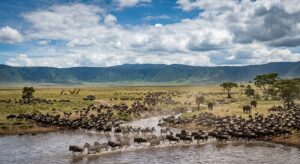
For many, this is the headline season: the possibility of witnessing the Great Migration river crossing as herds navigate crocodile-filled waters. Crossings are unpredictable — they can happen suddenly or not at all on a given day — which is why staying multiple nights in the north greatly improves your chances.
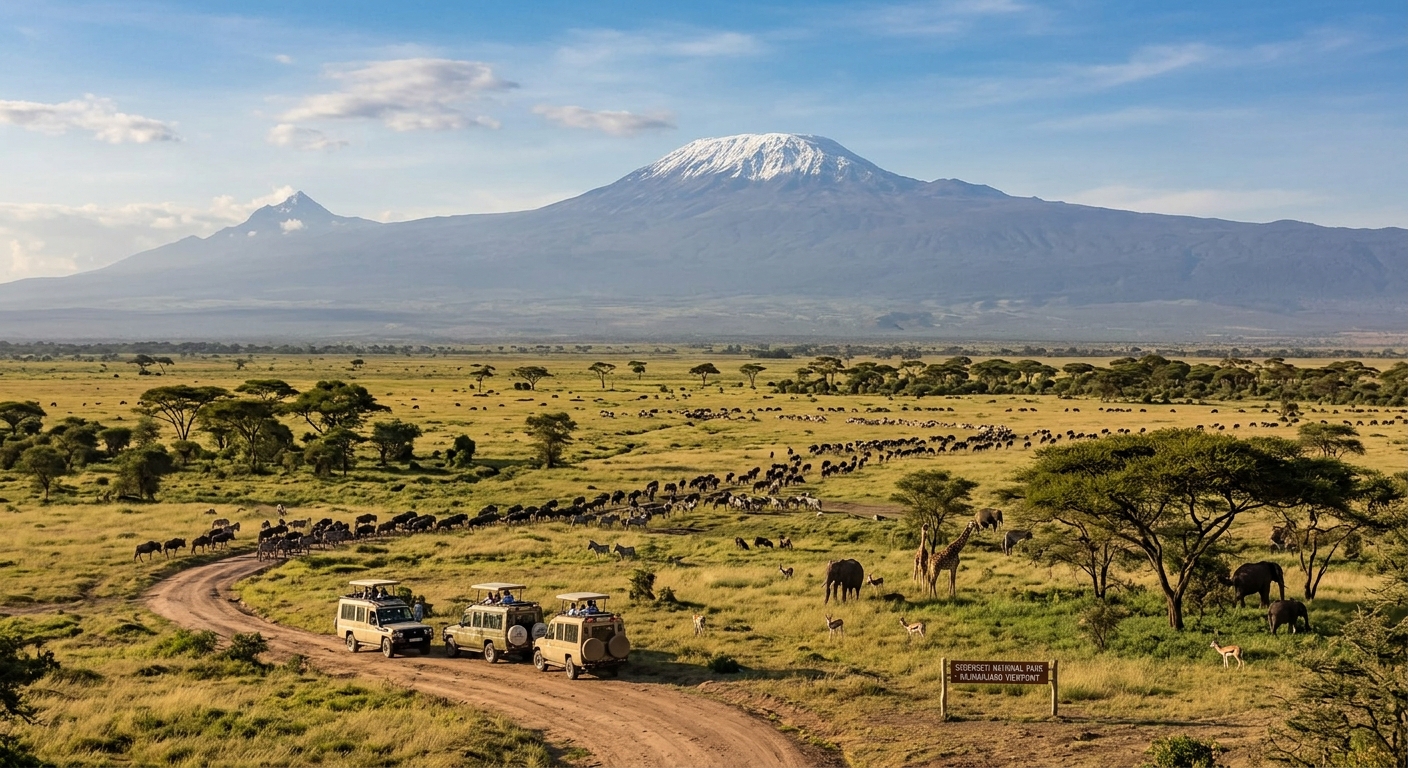
Best Time to See the Great Migration (By Experience)
Not sure which window is right for you? Match your priorities to the season:
For a broader month-by-month view of conditions across the country, see our guide to the best time to visit Tanzania for safari in 2027.
Planning around specific dates?
Tell us when you’re traveling and what you most want to see — we’ll recommend the best Serengeti region for your Great Migration safari in Tanzania.
Get Expert Migration Advice Browse Trip IdeasHow to Plan a Serengeti Migration Safari
A successful Tanzania migration safari comes down to smart choices on timing, location, and pacing. Here’s what we recommend at Permutours:
1. Choose your must-see moment
Decide what matters most: calving, river crossings, predator action, photography, or a quieter experience. This determines where in the Serengeti you should stay — not just when you travel.
2. Stay long enough in the right area
Migration highlights are unpredictable. For crossings, plan at least 3 nights in the northern Serengeti if possible. For calving, base yourself in the south/Ndutu area during Jan–Mar. Adding time reduces transit and increases your chances of being there when the action happens.
3. Pick the right itinerary length
- 5–7 days: a strong northern-circuit safari (e.g. Tarangire/Ngorongoro + Serengeti) with focused migration time
- 8–10 days: more time in the Serengeti to follow the herds and slow the pace
- 10+ days: deeper immersion, multiple regions, or a bush-and-beach combo
4. Combine parks for a richer Tanzania wildlife safari
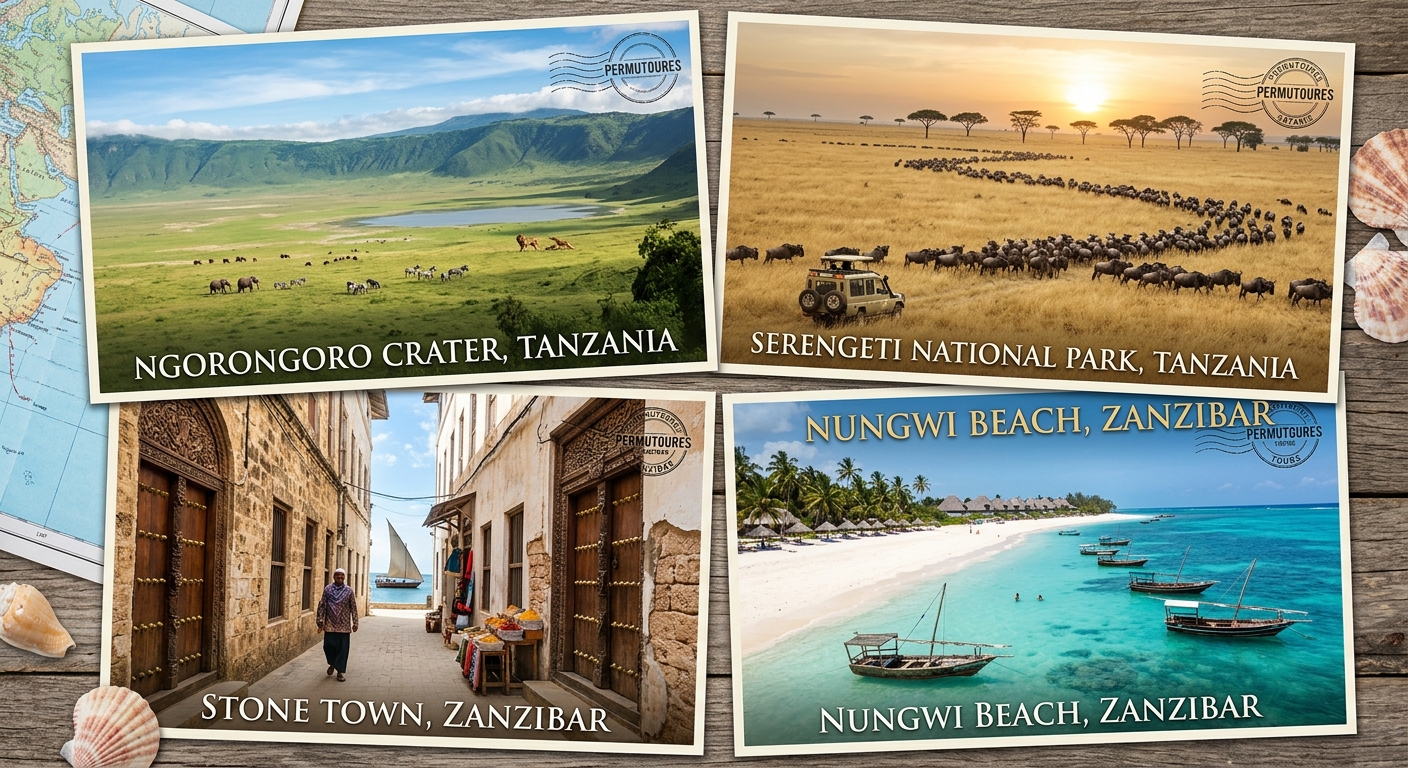
The migration is the star, but northern Tanzania offers more. Many of our guests pair the Serengeti with the Ngorongoro Crater, Tarangire National Park, or Lake Manyara for diverse habitats and wildlife. If you’re weighing options, our Serengeti vs Ngorongoro Crater comparison can help.
5. Book key areas early
Prime migration camps and lodges in peak seasons (especially Jul–Oct and Jan–Mar) can fill months in advance. Early planning gives you the best choice of locations and value.
What Else to Expect on a Tanzania Migration Safari
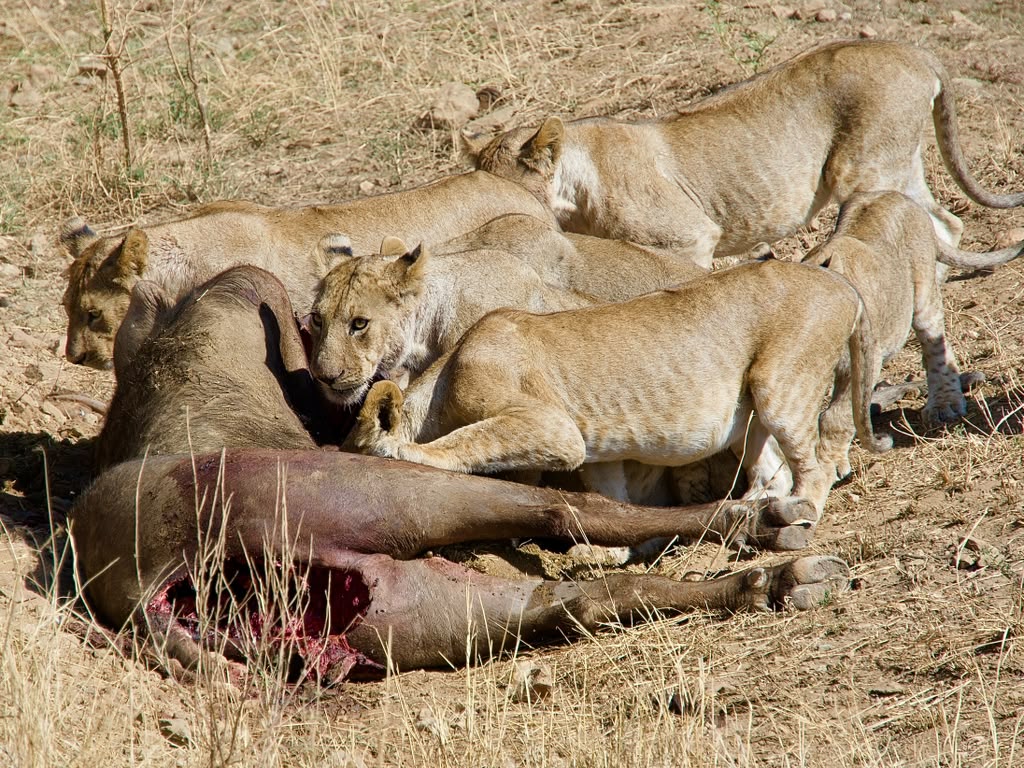
While the wildebeest migration in Tanzania is the headline, the Serengeti delivers far more than one species on the move. On a single trip you may encounter:
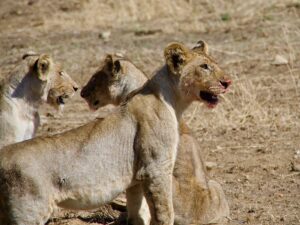
- Lions, cheetahs, and leopards taking advantage of abundant prey
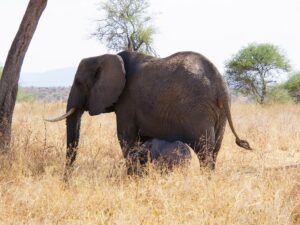
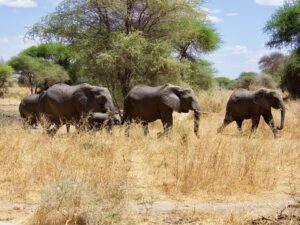
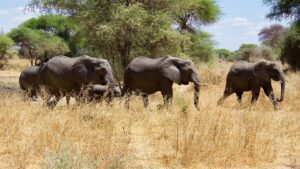
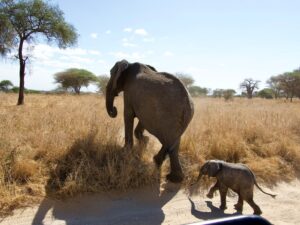
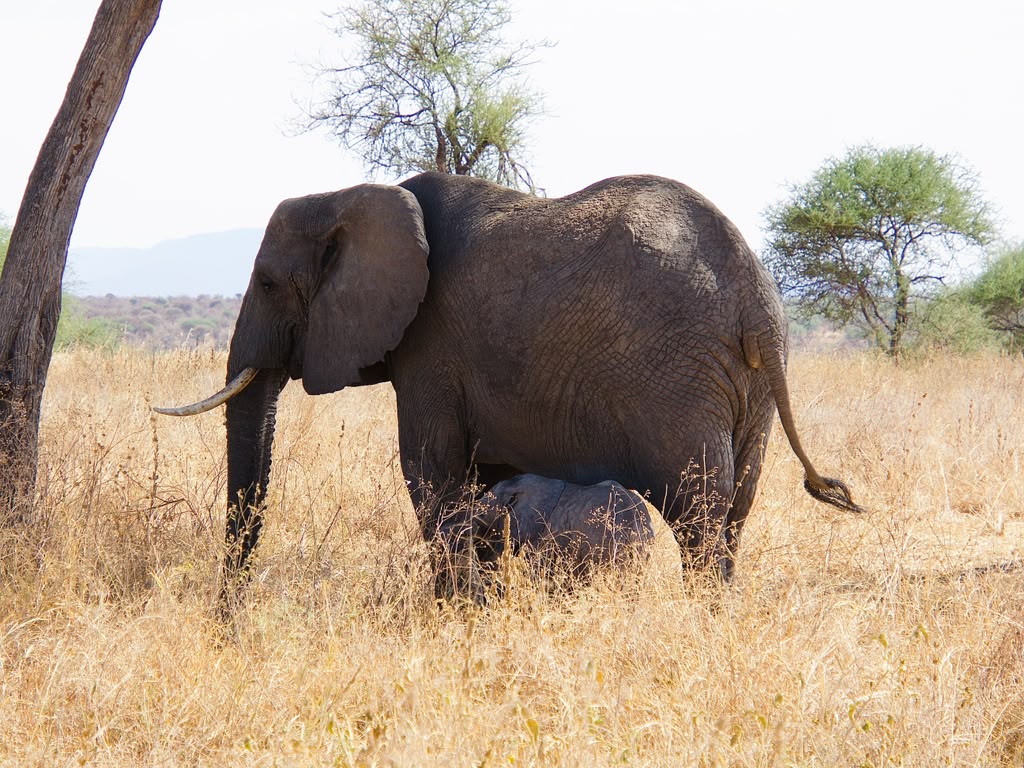
- Large elephant herds, giraffes, hippos, and crocodiles along rivers
- Hundreds of bird species and ever-changing landscapes
- Sunrise and sunset game drives that define the African safari experience
This combination of movement, predators, and scenery is what makes a Serengeti migration safari one of the best Tanzania safari tours you can take.
Practical Tips for a Smooth Migration Safari
Frequently Asked Questions: Great Migration Safari Tanzania
What is the best time to see the Great Migration in Tanzania?
It depends on what you want to see. January–March is best for calving in the southern Serengeti/Ndutu, while July–October is often best for Great Migration river crossings in the northern Serengeti. Because movements follow the rains, exact timing varies each year.
Where can I see a Great Migration river crossing?
River crossings are most commonly associated with the Grumeti River (around May–July, depending on the year) and the Mara River in the northern Serengeti (often July–October). Crossings are unpredictable, so spending several nights in the right area improves your chances.
How many days do I need for a Serengeti migration safari?
Plan at least 5–7 days for a well-paced northern-circuit trip that includes migration time. For the best chance at specific events like river crossings, 8–10+ days with multiple nights in the key Serengeti region is ideal.
Is the Great Migration worth it outside river-crossing season?
Absolutely. Calving season (Jan–Mar) offers incredible predator action and huge herds, while green seasons provide beautiful scenery, fewer crowds, and rewarding wildlife viewing. A Tanzania migration safari is compelling year-round when planned well.
Can I combine the Great Migration with other Tanzania national parks?
Yes. Many of the best Tanzania safari tours combine the Serengeti with Ngorongoro Crater, Tarangire, or Lake Manyara for diverse landscapes and wildlife. Permutours can tailor a route to your dates and interests.
Do I need a local guide to plan a Great Migration safari in Tanzania?
Local expertise makes a big difference. Herd locations and crossing opportunities shift with conditions, and an experienced Arusha-based team like Permutours can place you in the right region, choose suitable camps, and plan realistic pacing for the best experience.
Start Planning Your Great Migration Safari with Permutours
The Great Migration is more than a sighting — it’s a feeling: the sound of hooves on open plains, the tension at a riverbank, the quiet awe of watching life move on a scale you can’t quite imagine until you’re there. With the right timing and the right plan, your Great Migration safari Tanzania can be everything you’ve dreamed of.
Based in Arusha, Permutours designs private, tailor-made itineraries that put you in the right place at the right time — from Ndutu’s calving grounds to the northern Serengeti’s river-crossing drama. Tell us your dates, interests, and travel style, and we’ll craft a Tanzania migration safari that fits you perfectly.
Plan Your Great Migration Safari
Get a free, no-obligation quote and expert advice on where to be for the migration during your travel dates.
Request a Free Safari Quote Explore Best Tanzania Safari Tours Browse Trip IdeasSuggested categories: Safari Guides, Tanzania Travel, Wildlife & Parks
Suggested tags: Great Migration Safari Tanzania, Serengeti Great Migration, Wildebeest Migration Tanzania, Best Time to See the Great Migration, Serengeti Migration Safari, Tanzania Migration Safari, Great Migration River Crossing, Safari in Serengeti, Tanzania Wildlife Safari, Best Tanzania Safari Tours, African Safari Experience