Serengeti vs Ngorongoro Crater: Which Safari Experience Is Right for You?
Two of Tanzania’s greatest icons — one endless savanna, one wildlife-packed caldera. Here’s how to choose the best Tanzania safari for your trip.
If you’re planning a Tanzania safari, one question comes up again and again: Serengeti vs Ngorongoro Crater — which should you choose? The honest answer is that both deliver extraordinary wildlife and unforgettable moments, but they feel very different on the ground. The Serengeti is vast, wild, and ever-changing; the Ngorongoro Crater is compact, dramatic, and astonishingly rich in animals.
At Permutours, our Arusha-based team helps travelers compare these two highlights every day. We’ve guided first-time visitors who wanted the “classic” Big Five experience, photographers chasing the Great Migration, and families looking for the smoothest, most rewarding days on safari. In this Tanzania safari comparison, we break down what each destination offers — wildlife, scenery, travel pace, costs, and best times to go — so you can confidently pick the right experience (or combine them for the best of both worlds).
Serengeti vs Ngorongoro Crater at a Glance
Before diving into the details, here’s a side-by-side snapshot of how these two Tanzania national parks (the Ngorongoro Crater lies within the Ngorongoro Conservation Area) compare:
| Factor | Serengeti National Park | Ngorongoro Crater |
|---|---|---|
| Landscape | Endless plains, woodlands, kopjes, river systems | Volcanic caldera with crater floor, lake, and rim views |
| Wildlife experience | Vast, varied; famous for the Great Migration and big-cat action | Highly concentrated; excellent chance to see many species in one day |
| Best for | Migration, photographers, longer safaris, wilderness immersion | Big Five in limited time, first-timers, dramatic scenery |
| Pace | Longer drives between regions; rewards extra nights | Compact; typically a half/full day on the crater floor |
| Time needed | Ideally 2–4+ nights in the right region | Often 1 night/1 crater descent fits well in a circuit |
| Overall feel | Remote, expansive, unpredictable in the best way | Intimate, spectacular, consistently rewarding |
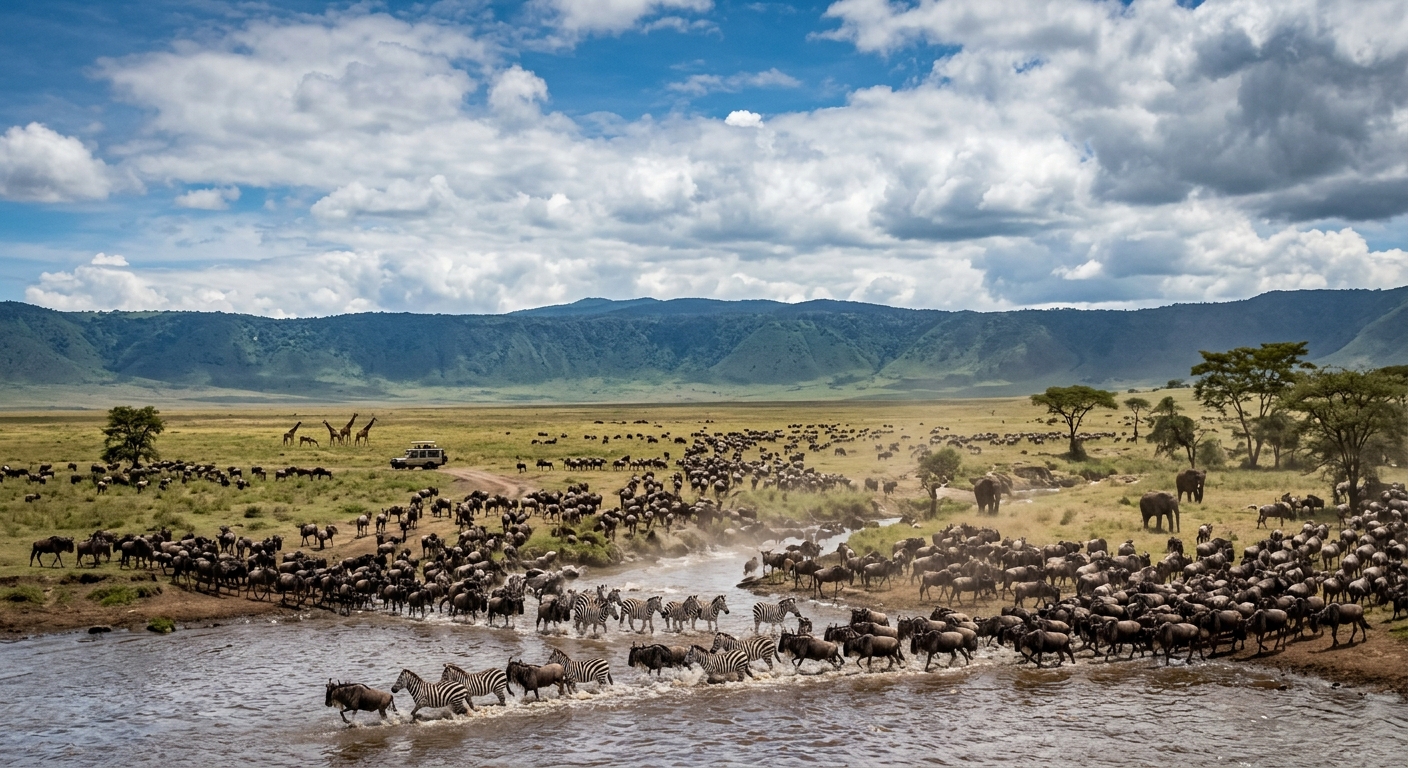
The Serengeti Safari Experience: Endless Plains and Epic Wildlife
A Serengeti safari is the definition of classic African wilderness. The park is immense — a mosaic of open grasslands, riverine forests, rocky kopjes, and seasonal water sources — which means every day can feel completely different. This scale is what makes the Serengeti so special: you’re not just visiting a park, you’re entering a living ecosystem that changes with the rains and the movement of animals.
Wildlife and the Great Migration
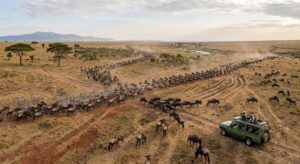
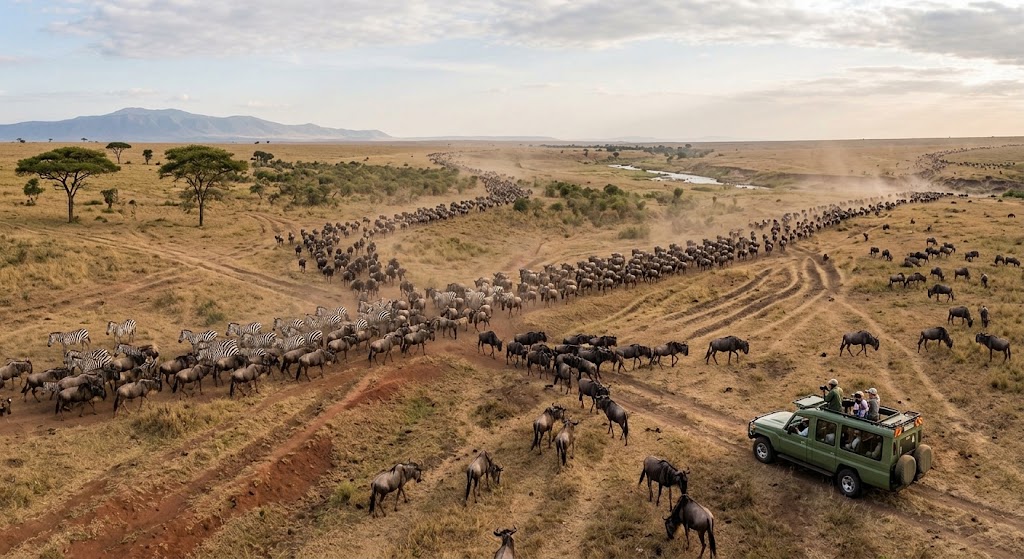
The Serengeti is world-famous for the Great Migration, when vast herds of wildebeest, zebra, and gazelle move through the ecosystem in search of fresh grazing. Depending on the time of year, you might witness calving season in the south, predator action on the central plains, or dramatic river crossings in the north. But even outside peak migration moments, resident lions, cheetahs, leopards, elephants, giraffes, and abundant plains game make wildlife viewing exceptional year-round.
Scenery and sense of space
If you dream of wide horizons, golden light, and the feeling of being far from everything, the Serengeti delivers. Long game drives here aren’t a drawback — they’re part of the experience, with sightings unfolding naturally across the landscape.
The Ngorongoro Crater Safari Experience: A Natural Wonder in One Day
A Ngorongoro Crater safari is unlike anywhere else in Africa. Formed by a collapsed volcano, the crater creates a natural enclosure where wildlife thrives on the fertile floor below. The descent from the rim at sunrise — often through cool mist — is a moment many travelers remember as vividly as the animals themselves.
Concentrated, year-round wildlife viewing
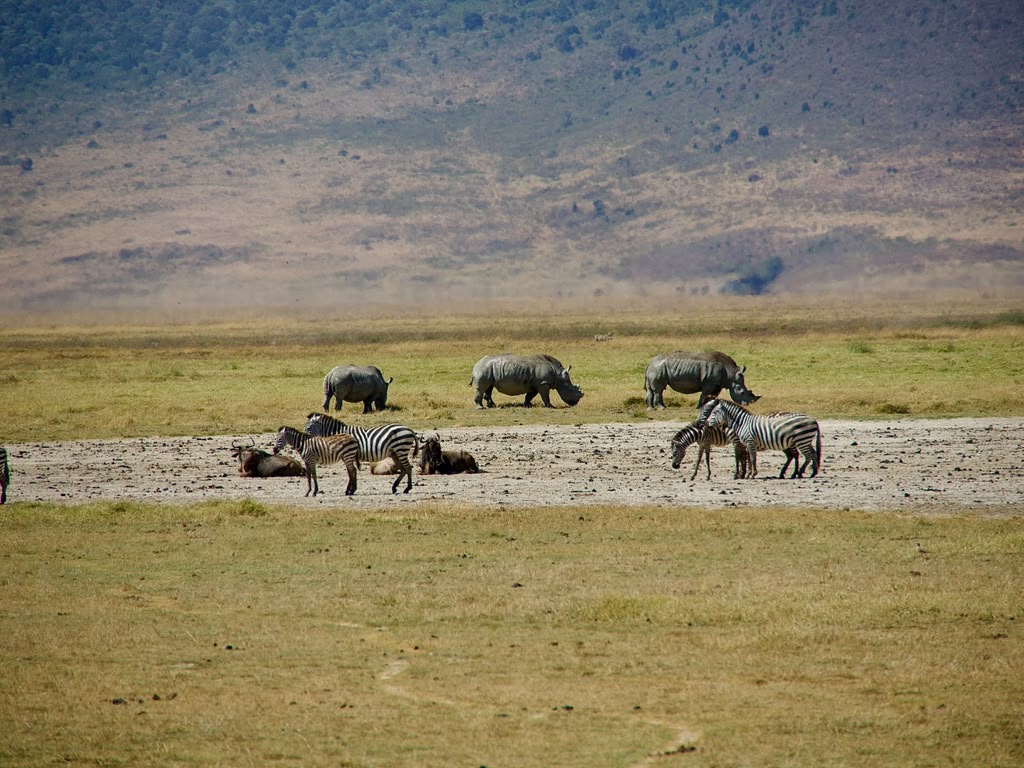
Because the crater is compact, you can encounter an incredible variety of species in a relatively short time: lions, hyenas, elephants, buffalo, hippos, flamingos at Lake Magadi, and (with luck) the endangered black rhino. This density makes the Ngorongoro Crater one of the best places in Tanzania for first-time safari visitors or anyone with limited days who still wants a high-impact wildlife experience.
Scenery and atmosphere
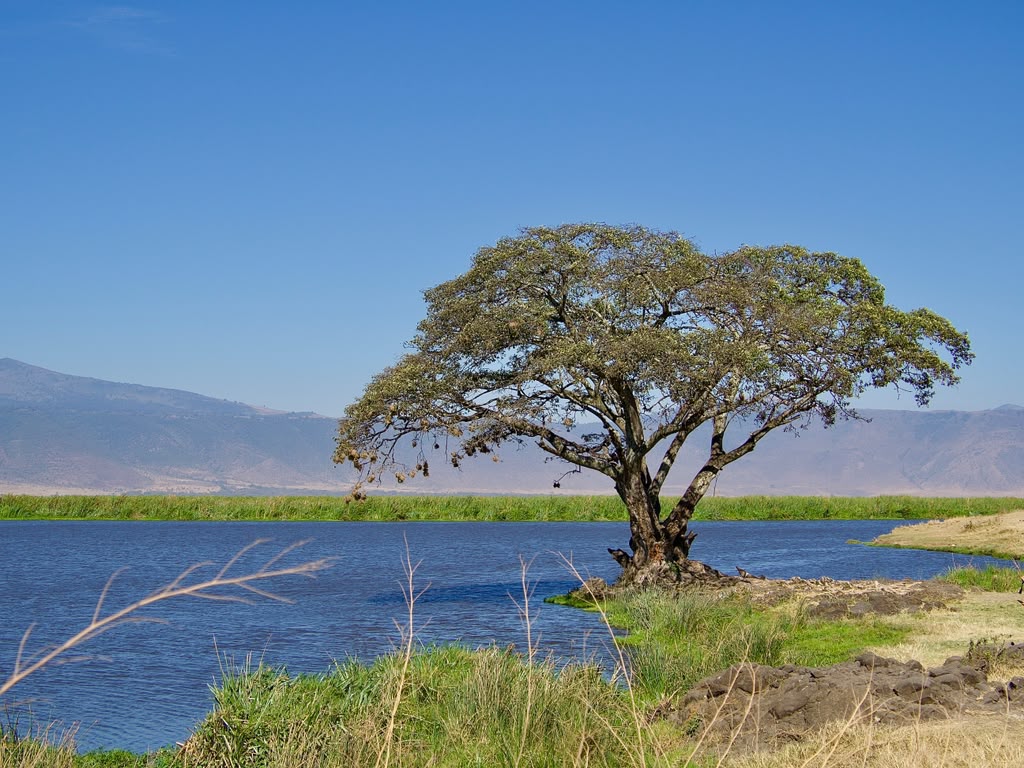
The views from the crater rim are breathtaking, and the floor feels like a self-contained world. A picnic lunch beside a hippo pool, with the crater walls rising around you, is a classic Tanzania safari moment.
Want to see both Serengeti and Ngorongoro on one trip?
We’ll plan the right route, pace, and overnight locations for your travel dates — with clear, no-obligation pricing.
Talk to a Safari Expert Browse Trip IdeasWildlife Comparison: What Can You See?
Both destinations are outstanding for a Tanzania safari comparison, but the way you experience wildlife differs:
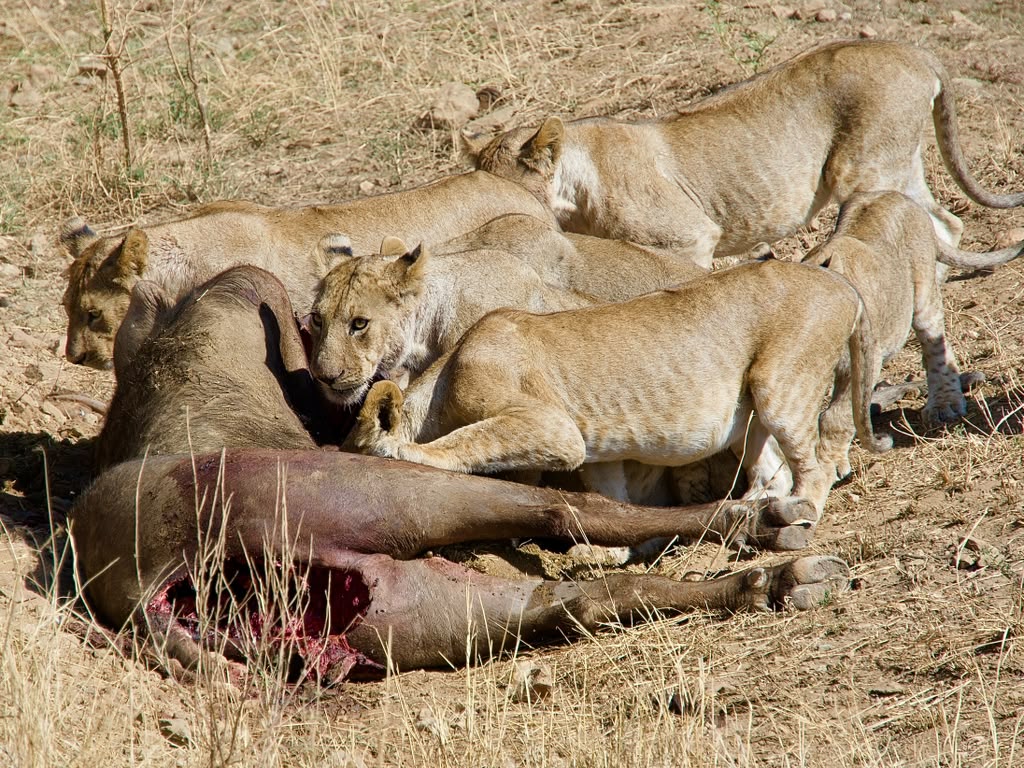
- Serengeti safari: exceptional for the Great Migration, big-cat sightings (lions, cheetahs, leopards), and the drama of predator-prey interactions across varied habitats. Because it’s vast, sightings can feel more “earned” and wonderfully wild.
- Ngorongoro Crater safari: superb for seeing a high concentration of animals in a single game drive — including strong chances for lions, elephants, buffalo, hippos, and hyenas. It’s also one of the better places in the region to look for black rhino.
For many travelers, the best Tanzania safari isn’t choosing one over the other — it’s combining them. The Serengeti provides scale and migration magic; the crater provides intensity and reliability.
Scenery and Photography: Open Horizons vs Crater Drama
If photography and atmosphere are high on your list, this comparison matters:
- Serengeti: sweeping plains, iconic acacia silhouettes, kopjes, and dramatic skies — perfect for storytelling images of scale, movement, and light.
- Ngorongoro Crater: rim-to-floor viewpoints, misty mornings, reflective pools, and a compact stage where animals and landscape share the frame.
Photographers who have time often love pairing the Serengeti’s expansive scenes with the crater’s unique, enclosed setting.

Best Time to Visit: Serengeti vs Ngorongoro Crater
Both destinations can be visited year-round, but timing shapes the experience:
| Period | Serengeti Safari | Ngorongoro Crater Safari |
|---|---|---|
| Jan–Mar | Calving season in the south/Ndutu; excellent predator action | Great year-round viewing; lush scenery |
| Apr–May | Green season; fewer crowds, beautiful landscapes (some areas wetter) | Quieter, scenic; crater remains rewarding |
| Jun–Oct | Dry season; strong game viewing and (often) river crossings in the north | Peak dry-season clarity and consistent sightings |
| Nov–Dec | Short rains; herds moving south; good value and fewer visitors | Good viewing with greener backdrops |
Because migration patterns shift with rainfall, the “best” Serengeti area depends on your exact dates. The crater, by contrast, is more predictable for concentrated sightings throughout the year.
Time, Pacing, and Travel Logistics
Your available days can strongly influence the Serengeti vs Ngorongoro Crater decision:
Ngorongoro is typically visited as a crater descent (morning into afternoon) from accommodation on the rim or nearby, while the Serengeti rewards slower travel with multiple nights in the right zone.
Cost Considerations: Which Is Better Value?
Costs vary by season, accommodation level, group size, and routing — so it’s best to compare like-for-like itineraries rather than destinations in isolation. That said, a few patterns help:
- Ngorongoro Crater: crater access and logistics are significant, but the experience can deliver exceptional wildlife in a short time — which can be efficient for shorter safaris.
- Serengeti: longer distances and additional nights (especially in prime migration areas) can increase costs, but they also buy you more immersion and flexibility.
- Best overall value: well-planned combinations that balance drive times, park fees, and the experiences you care about most.
Who Should Choose Which? (Quick Guide)
| If you are… | Lean toward… | Why |
|---|---|---|
| A first-time safari visitor with limited days | Ngorongoro Crater (+ a nearby park) | Dense sightings and a compact, high-impact experience |
| Chasing the Great Migration | Serengeti | Best place to follow the herds (timing/region is key) |
| A photographer seeking variety and scale | Serengeti (ideally 3+ nights) | Expansive landscapes and changing light/action |
| Traveling with family or wanting an easier pace | Ngorongoro or a mixed circuit | Shorter game-drive days and reliable highlights |
| Wanting the “best of Tanzania” | Both | Combines Serengeti’s wilderness with the crater’s intensity |
Can You Combine Serengeti and Ngorongoro Crater?
Absolutely — and for many travelers, this is the ideal answer to the Serengeti vs Ngorongoro Crater question. A classic northern-circuit safari often includes Tarangire National Park, the Ngorongoro Crater, and the Serengeti. You get varied landscapes, different wildlife dynamics, and a well-paced journey from Arusha into Tanzania’s most celebrated parks.
If you have extra time, you can even finish with a relaxing beach extension in Zanzibar — a perfect contrast to days on safari.
Frequently Asked Questions
Is Serengeti or Ngorongoro Crater better for a first safari?
Ngorongoro Crater is often excellent for first-time visitors because wildlife is concentrated and sightings can be very rewarding in a short time. That said, many first-timers love combining Ngorongoro with a few nights in the Serengeti for a fuller Tanzania safari comparison experience.
Where am I more likely to see the Big Five?
Ngorongoro Crater offers strong chances to see many of the Big Five in a single day, including the possibility of black rhino. The Serengeti also delivers outstanding Big Five viewing, especially with enough time and the right locations — plus the added spectacle of the Great Migration.
How many days do I need for Serengeti vs Ngorongoro Crater?
Ngorongoro can be a highlight in 1–2 days as part of a northern-circuit itinerary. For the Serengeti, 2–4 nights (or more) is ideal to explore the right region and make the most of your Serengeti safari, especially if you’re targeting migration events.
What is the best time to visit for the Great Migration?
The Great Migration moves throughout the year: calving is typically around January–March in the south, and river crossings often occur around July–October in the north (timing varies with rainfall). A local expert can match your dates to the best Serengeti region.
Can I visit both Serengeti and Ngorongoro on one trip?
Yes. Combining them is one of the most popular and rewarding ways to experience the best Tanzania safari, often alongside Tarangire or Lake Manyara. Permutours can design a route that fits your time, budget, and interests.
Which is better for families or travelers who prefer shorter game drives?
Ngorongoro Crater (and nearby parks) can be easier for shorter, more predictable game-drive days. Families who have more time often enjoy a balanced itinerary that includes both the crater and selected Serengeti areas with comfortable pacing.
Plan Your Serengeti or Ngorongoro Safari with Permutours
Choosing between a Serengeti safari and a Ngorongoro Crater safari doesn’t have to be complicated. It comes down to your time, travel style, and what you most want to experience — wide-open migration drama, concentrated crater wildlife, or a thoughtfully planned combination of both.
Based in Arusha, Permutours creates private, tailor-made Tanzania safaris with realistic pacing, knowledgeable local guides, and honest advice on where to be and when. If you’re ready to plan the best Tanzania safari for you, we’re here to help.
Let’s Design Your Ideal Tanzania Safari
Share your travel dates and priorities — we’ll recommend Serengeti, Ngorongoro, or the perfect combination for you.
Request a Free Safari Quote Explore Tanzania Safari Tours Browse Trip IdeasSuggested categories: Safari Guides, Tanzania Travel, Wildlife & Parks
Suggested tags: Serengeti vs Ngorongoro Crater, Serengeti Safari, Ngorongoro Crater Safari, Tanzania Safari Comparison, Best Tanzania Safari, Tanzania National Parks